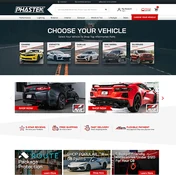
A selected vehicle should remain understandable as a shopper moves from a category to a product and back. We plan the placement of vehicle selectors, fitment messages and reset controls so customers can tell which results apply to them. Product pages distinguish universal accessories from vehicle-specific components, and comparisons give dimensions, material and included hardware room to be read. On smaller screens, those details need to stay useful without requiring a shopper to repeatedly open and close oversized menus.
Design also needs a plan for uncertainty: an unlisted trim, an unavailable part or two components with similar names. Helpful next steps can include reviewing a diagram, checking a specification or contacting the parts team with the selected vehicle attached. Automotive web development can carry that context through catalog lookup and inquiry forms. Meanwhile, automotive SEO services help align category language with the part names and vehicle questions shoppers bring from search, keeping discovery and evaluation connected.