
Plan Product Bundles on BigCommerce

A bundle should be designed around both the customer's purchase and the way your team handles the order. Before choosing an implementation for BigCommerce, define what the bundle contains and how pricing, inventory, fulfillment and returns need to work.
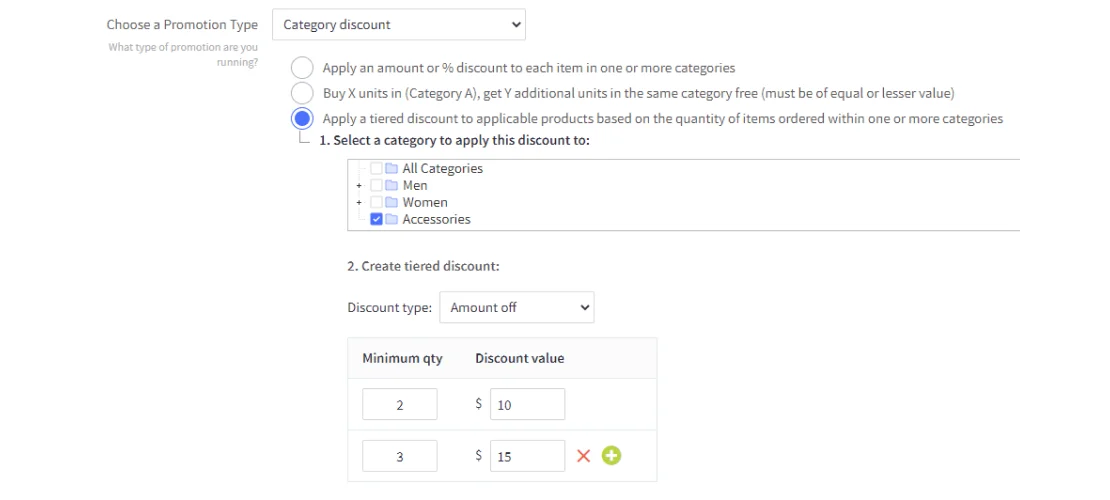
Two offers can look similar on a product page while requiring different operational behavior. A fixed set, a customer-selected kit and a promotion across separate items should not be treated as interchangeable requirements.
Describe the bundle behavior
Start with a small group of representative products. Identify which items are fixed, which choices the customer makes and whether each component needs to be tracked separately in downstream systems.
Write the expected price and availability behavior in plain language. Include what should happen when a component is unavailable or a customer changes a choice. Those examples help evaluate an implementation rather than assume a marketing label describes the required behavior.
Compare the implementation against the workflow
| Requirement | Question to resolve | Check before accepting the setup |
|---|---|---|
| Customer selection | Which components or quantities can change? | Representative choices and validation messages |
| Pricing | How is the final price determined? | Cart/order prices and relevant discount interactions |
| Inventory | Which records control availability? | Component and order behavior for the intended stock model |
| Fulfillment | What information must operations receive? | Order export/integration records and packing workflow |
| Returns and changes | What happens after the initial order? | The agreed adjustment and reconciliation process |
These are evaluation questions, not a statement that one native setting or third-party app supports every scenario.
Review configuration, apps and custom work
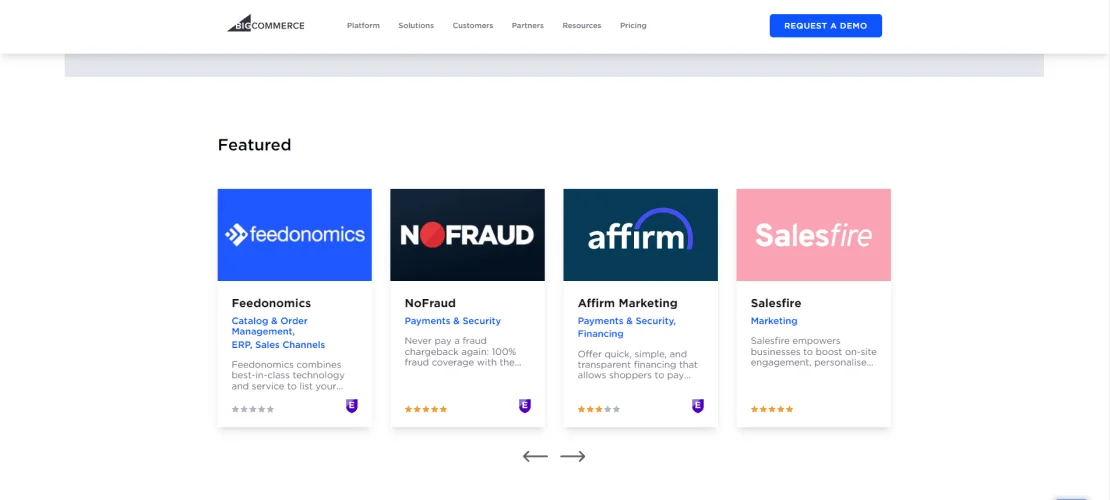
Compare the options available for your store against the documented behavior. If an app is being considered, check its current listing, compatibility, permissions and support arrangements directly with the provider.
If custom work is required, define what belongs in the storefront and what belongs in the order or inventory workflow. BigCommerce development services and API integration can be discussed as separate implementation scopes.
Test an entire purchase
A product-page preview is not enough to review a bundle. Follow the intended selection through the cart, order record and any connected systems. Include the exception cases your team actually needs to handle.
Use non-sensitive test data and an agreed test process. Document discrepancies before making the offer available to customers. The expected result should be clear enough that someone can review it without relying on assumptions about the implementation.
Keep the content useful after setup
Explain the offer clearly on the storefront, including what is included and any choices or limits. When products or integrations change, review the bundle behavior that depends on them.
For ongoing maintenance, discuss BigCommerce support. Avoid presenting an untested configuration or a demonstration as an established client result.
Discuss your bundle requirements
Original article illustrations are retained below; interface details may differ from the current platform.