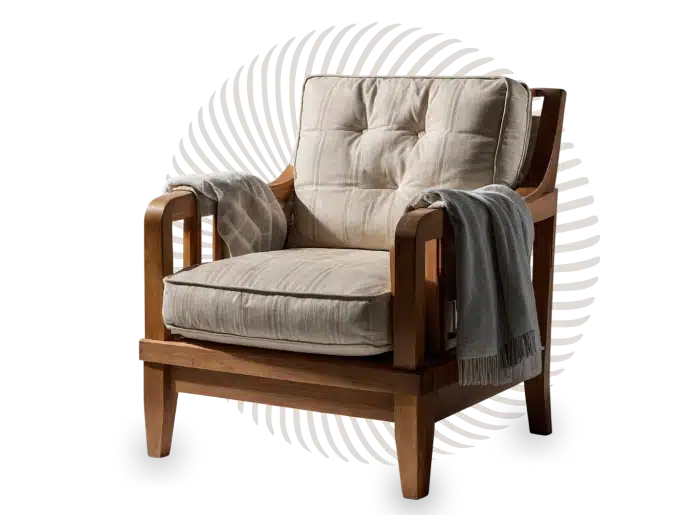
A sectional configuration may combine several stock items, while a custom upholstered chair may depend on production capacity rather than warehouse quantity. We define those differences before connecting product data, order management and delivery services. Component identifiers, fabric codes and customer selections need explicit fields that remain usable after checkout. We also account for destination restrictions, assembly options and delivery charges, including what the store should display when an external freight service cannot return a usable estimate.
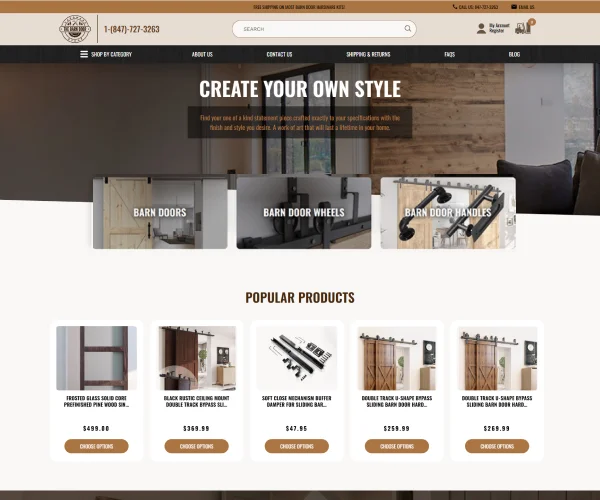
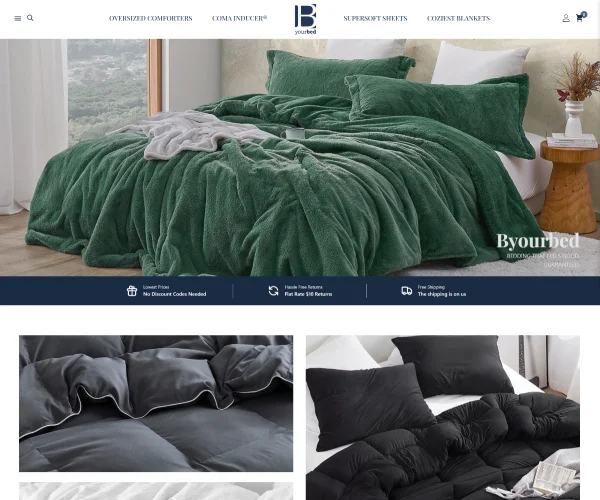
Order testing follows the details that are costly to reconstruct later: a changed orientation, a partial shipment or a backordered finish in an otherwise available set. We check how those cases reach warehouse and customer-service records. Furniture web design helps explain configuration choices and lead times in the interface, while furniture website support provides a path for maintaining connections as carriers, suppliers and product ranges change. The result is a defined purchasing workflow your team can inspect, rather than a configuration that exists only on screen.