Species, technique and spec search

Fishing SEO Services for Tackle Stores and Fishing Gear Brands

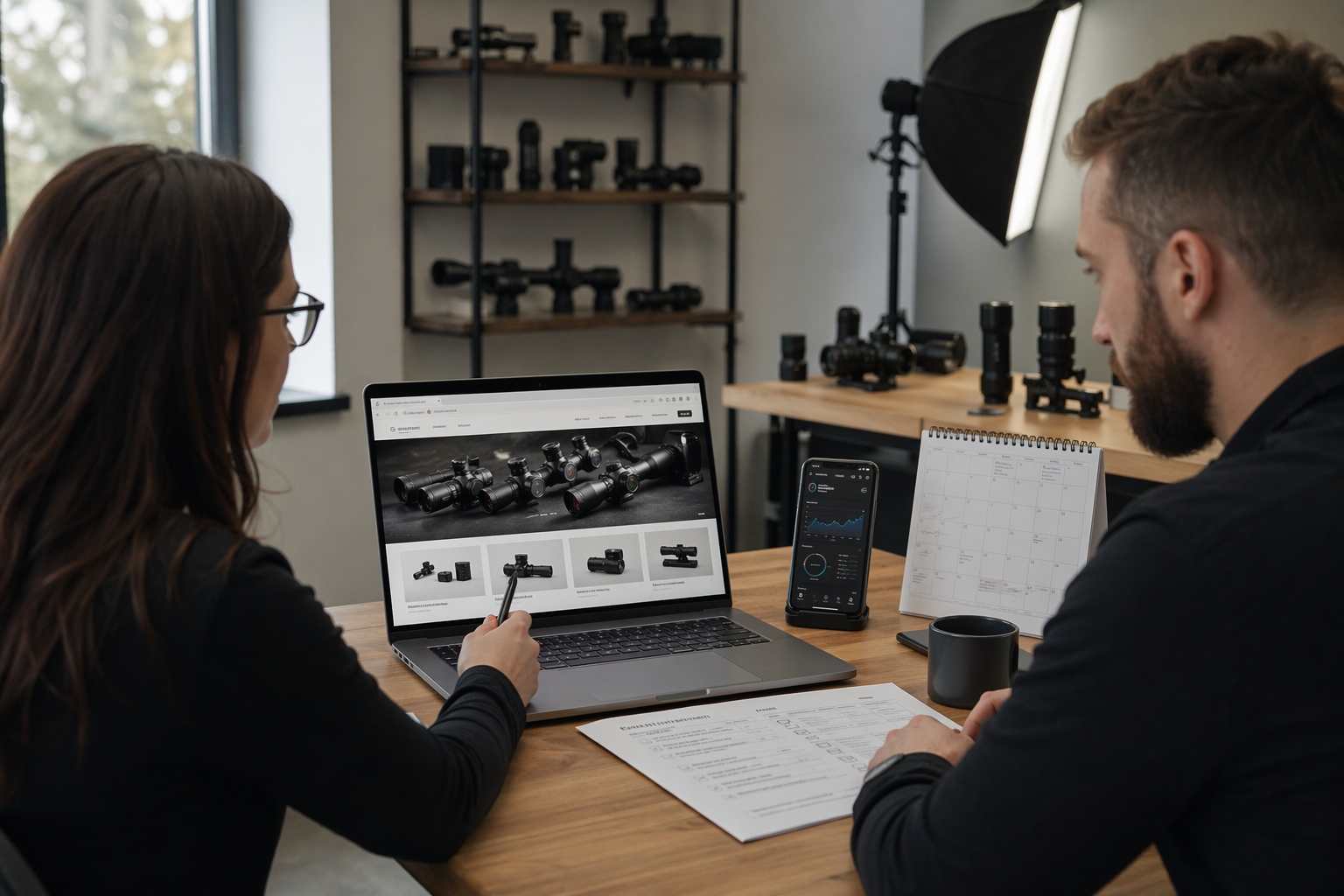
Anglers rarely search for "fishing gear". They search for "spinning reel for 10 lb braid", "swimbaits for prespawn bass" or "inshore rod for redfish", and they know when a product page gets the line rating wrong. MAK Digital builds fishing SEO around those species, technique and spec searches, so your categories, product pages and guides answer the questions anglers ask Google and AI assistants before they buy.

Since 2012
Building and growing websites
30+
In-house specialists
800+
Projects delivered

MAK Digital at a glance

  • 15

    Years in eCommerce

    Fifteen years of building, migrating, and growing online stores for B2B and B2C brands.

  • 30+

    In-house specialists

    SEO, AI search, paid media, design, and development experts under one roof.

  • USA

    US-led, globally staffed

    A US-based core team you talk to directly, backed by vetted specialists worldwide.

  • 4.9

    Client rating

    Average score across 650+ verified client reviews.

What the work covers

Fishing SEO services for tackle catalogs

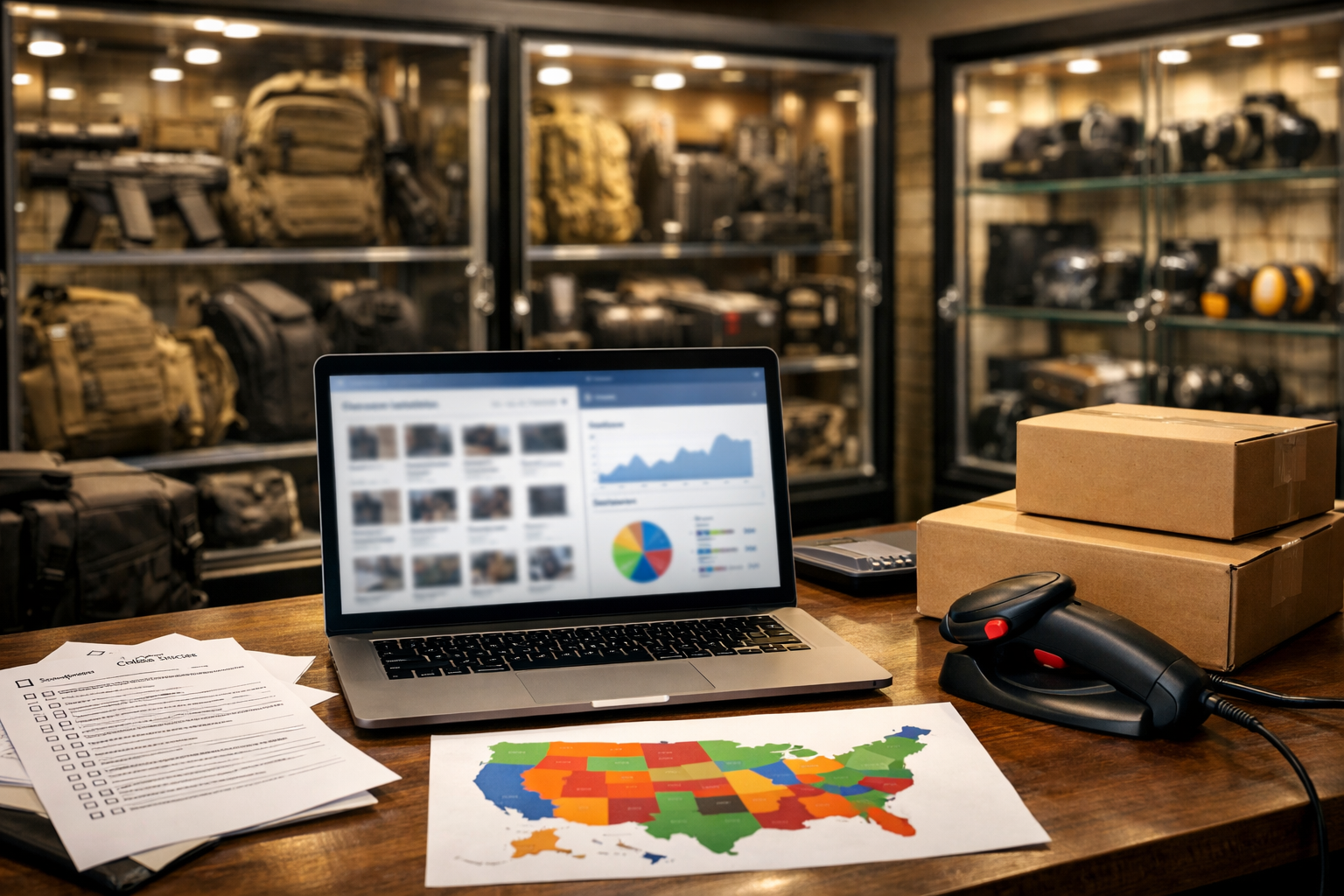
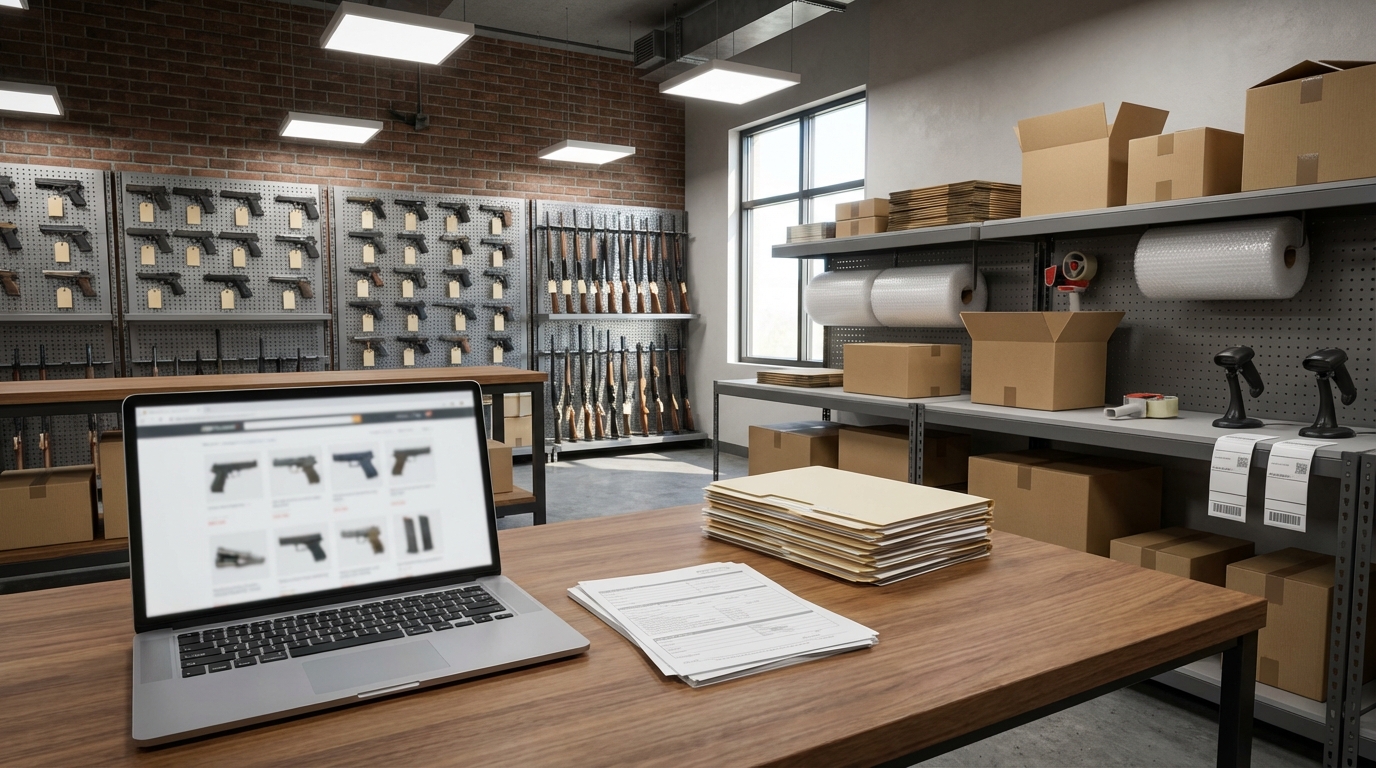
A tackle catalog is unusual: thousands of small consumables like hooks, sinkers and soft plastics sit beside researched purchases like rods, reels and fish finders, and most items come in many weights, sizes and colors. Each service below is built for that mix.

  • Species, technique and spec keyword research

    We group angler searches into species and water ("walleye jigs", "surf fishing rigs"), technique ("drop shot setup", "Texas rig weights"), spec ("7 ft medium heavy fast action rod", "20 lb fluorocarbon leader") and brand or model queries, then assign each group to the page that should own it. Our keyword research process sets the priority by your stock depth and margins.

  • Tackle taxonomy and shop-by-species navigation

    We plan a category tree for rods, reels, combos, lures, soft plastics, line, terminal tackle, fly, ice and electronics, then add shop-by-species and shop-by-technique landing pages that cross those categories without duplicating them.

  • Variant and filter indexing rules

    A single soft plastic can come in dozens of colors and several lengths; one jig head can come in many weights and hook sizes. We decide which filter combinations earn an indexable page and keep the rest out of the index, using our faceted navigation method.

  • Product page rewrites with real tackle specs

    Manufacturer copy for popular reels and lures is shared by many retailers. We keep the specs and add what anglers need: the presentation the lure suits, the rod and line it pairs with, the depth it runs and the conditions it works in.

  • Product schema and Google Shopping feed alignment

    Product markup for tackle names the brand, the GTIN or MPN, the variant attributes (weight, color, pound test) and current stock, and the same values go to Merchant Center through our Google Shopping management service so the feed and the page never disagree.

  • Species and technique guides

    Our content team plans guide hubs for bass, trout, walleye, panfish, catfish and inshore saltwater species, with technique pages that link to the exact rods, reels, baits and terminal tackle they mention.

  • Seasonal and AI search planning

    We schedule content ahead of spawn, ice-out, ice fishing and saltwater run seasons, and format categories and guides so AI Overviews and assistants can quote clear answers about gear choices.

Catalog architecture

Building a tackle catalog search engines can understand

Most tackle stores grow their catalog one brand shipment at a time, and the category tree ends up mirroring vendor names or warehouse bins. Search engines and anglers need a structure built around how tackle is chosen.

Core tackle categories

A workable tree separates rods (spinning, casting, fly, ice, surf, trolling), reels (spinning, baitcasting, conventional, fly, spincast), combos, hard baits (crankbaits, jerkbaits, topwater, swimbaits), soft plastics, jigs, line (monofilament, fluorocarbon, braid, fly line, backing), terminal tackle (hooks, sinkers, swivels, snaps, leaders), electronics, and apparel such as sun shirts, waders and rain gear. Each category gets an introduction written for the decisions inside it, such as how crankbait diving depth relates to bill shape, or why braid needs a fluorocarbon leader in clear water.

Shop-by-species and shop-by-technique pages

A "bass fishing gear" or "walleye tackle" page should not be a copy of the lure category with a filter applied. It works as a curated landing page: the presentations that catch the species, the gear each one needs, and links into the filtered category views. The same applies to technique pages for drop shot, Ned rig or trolling setups, which can sell kits of hooks, weights and baits together.

Variants: weights, colors and line tests

Tackle has more variants per product than almost any retail category. A soft plastic worm comes in many colors, a jig in several weights, a spool of line in a long run of pound tests and spool lengths. Those belong on one parent product with selectable options, not dozens of near-identical pages. The exception is a variant with its own search demand, such as a well-known color pattern that anglers search by name, which can earn its own description or a curated page while the variants stay canonical to the parent.

Filters worth indexing

Species, technique, water type, brand and rod power can each generate thousands of filtered URLs. We keep a short list of indexable combinations that match real searches and have enough products behind them, give them fixed URLs and copy, and keep color, price and sort filters out of the index.


Product pages and structured data

Product pages that answer angler questions

An angler comparing two medium-heavy casting rods wants to know the line rating, lure weight range, action, guide type, handle style and length. If those numbers sit only in a product image or a downloaded spec sheet, neither Google nor an AI assistant can read them, and the shopper goes back to a retailer that prints them in text.

Spec tables anglers actually use

  • Rods: length, pieces, power, action, line rating in pound test, lure weight in ounces, blank material, guide and handle type.
  • Reels: size, gear ratio, inches of line per turn, maximum drag, bearing count, weight, line capacity by line type and pound test, left or right retrieve.
  • Line: material, pound test, diameter, spool length, color and, for braid, the monofilament diameter it matches.
  • Lures and baits: length, weight, running depth, hook size, sink or float rate, and whether it is rigged weedless or with treble hooks.
  • Fly gear: rod and line weight, taper, sink rate, and fly size and pattern.

Rewriting manufacturer descriptions

Start with the top sellers and high-margin items, not the entire catalog at once. Keep the factual specs and add original copy on the species and presentation the item suits, the setup it pairs with and its trade-offs, such as a fast gear ratio that helps with burning baits but tires an angler on deep cranks. AI drafting can help with scale if a person who fishes checks every line for accuracy.

Reviews, Q&A and compliance details

Real reviews and customer questions ("will this reel balance on a 7 ft rod?") add the natural long-tail language anglers use. Review markup should only describe genuine customer reviews that are visible on the product page, and incentivized reviews need clear disclosure under the FTC's endorsement rules. Lead sinkers and jigs often carry California Proposition 65 warnings, and several states restrict small lead tackle on some waters, so product copy should state materials accurately and avoid promising legality everywhere.

Structured data that matches the page

Markup for each rod, reel or lure should name the brand, carry a GTIN or MPN, state the Offer price and stock status, and include shipping details and the return policy. Weight and color options fit a ProductGroup. Together this supports merchant listings and keeps feed data in step with the page.

Content and seasonality

Species guides and seasonal planning

Fishing has some of the most predictable seasonal demand in retail, and it differs by species and region at the same time. Bass anglers in the South search spawning baits while northern lakes are still frozen. Ice fishing searches rise in the northern states each winter, trout and walleye searches follow ice-out and opening days set by state wildlife agencies, and coastal anglers follow striped bass, redfish and other saltwater runs along their own calendars.

Guide hubs that support categories

Guide hubs for each main species collect the techniques, baits and seasonal patterns for that fish and link to the tackle categories that sell them. A "how to rig a Ned rig" page links to the mushroom jig heads, the soft plastics and the spinning setup it describes. A fly fishing hub links nymph and dry fly guides to the flies, tippet and fly lines they mention. Large general catalogs often skip this depth, and it gives anglers a reason to buy from the store that taught them.

Avoiding thin seasonal blog posts

A new "best spring bass lures" post every year, each a little different, splits links and rankings. A better pattern is one permanent guide per topic, updated before each season with current models and conditions. The same logic applies to categories: an "ice fishing gear" page should keep its URL all year, with evergreen copy off season, rather than being deleted in spring and rebuilt in autumn.

Publishing lead time

Seasonal guides and category updates should be live and linked internally well before anglers start searching, so they are crawled and indexed when demand arrives. We set the calendar from your own sales and Search Console history by species and region rather than a generic list of months.

Who writes it

Anglers spot wrong terminology fast. A guide that calls a fast-action rod "flexible" or suggests braid for gin-clear water without a leader loses trust. Guides should be written or checked by someone who fishes, carry the author's name, and go past your staff for a review of technique and regulation details. Licenses, seasons, size and bag limits are set by each state, so guides should point anglers to the state agency rather than restate rules that change.

Variant and filter indexing

Which fishing tackle URLs to index

A first-draft policy for tackle variants and filters. The final list depends on product counts and whether anglers search for the combination.

Example indexing rules for fishing tackle variants and category filters
Variant or filterTypical ruleWhy
Lure color or jig weightOne parent product; variants canonical to itEach option alone is a near-duplicate page with no separate demand
Named color pattern with its own searchesMention on the parent; curated page only with enough productsSome patterns are searched by name across several lure types
Line type + pound test ("20 lb braid")Indexable curated page for core line typesAnglers search by test and material, and the page can explain diameter
Species landing page ("walleye tackle")Indexable, written as a curated hubClear demand and a distinct assortment across categories
Rod power + action + typeIndexable for common setups onlySpec searches are real, but stacked combinations thin out fast
Brand + category ("brand X spinning reels")Indexable for brands stocked in depthAnglers search reel and lure brands often, but a brand page with a few items adds little
Price band, sort order, three or more stacked filtersNoindex or kept out of the crawlRarely searched and multiplies URLs

Common tackle store SEO gaps

What we check before anything else

Each of these hands angler searches to larger chains, marketplaces or forums, and they are common in fishing catalogs.

  • One page per lure color

    Every color or weight of a soft plastic or jig published as its own thin product, splitting reviews and filling the index with near-duplicates.

  • Specs hidden in images

    Line ratings, lure weight ranges, gear ratios and drag figures shown only on packaging photos, so crawlers and AI assistants cannot read them.

  • Ice and seasonal pages deleted

    Ice fishing or spawn-season categories removed after the season and relaunched on new URLs each year, starting from zero every time.

  • Species pages that are only filters

    A "bass" page that is just the lure grid with a filter applied, with no guidance on presentations, so it ranks for neither species nor technique searches.

Standards

Fishing SEO checklist for tackle stores

What a rod, reel, lure and line catalog needs before any seasonal guide work starts.

  • A category tree built around how tackle is chosen (rods, reels, combos, hard baits, soft plastics, line, terminal tackle, fly, ice, electronics), not vendor names
  • Curated shop-by-species and shop-by-technique pages that link into filtered categories
  • Lure colors, jig weights and line tests handled as variants of one parent product with canonical rules
  • Spec tables in HTML text: power, action, line rating, lure weight, gear ratio, drag, line diameter, running depth
  • Original product copy on top sellers covering presentation, pairing and conditions
  • Structured data for products, offers and variant groups that agrees with both the visible page and the Shopping feed
  • Permanent URLs for ice fishing and other seasonal categories, with evergreen copy off season
  • Species and technique guides by named anglers, linked to the gear they mention, pointing to state agencies for regulations
  • Redirects for discontinued colors and reel generations, plus accurate material notes for lead tackle

How a MAK fishing SEO engagement works

MAK Digital was founded in 2012. A team of 30+ in-house specialists has delivered 800+ projects, MAK is a Google Premier Partner and BigCommerce Elite Partner, and AI search optimization is included in SEO plans from $2,000/month. For a tackle store or fishing gear brand, the first months usually run like this.

  • Audit the catalog and how Google crawls it

    Our first pass crawls every tackle URL and compares it with Search Console data to find indexed filter URLs, duplicate lure variants, deleted seasonal categories, discontinued products returning errors and specs that exist only in images. Start with a free SEO audit.

  • Map species, technique and spec searches

    We group angler queries, decide which category, species page, product or guide owns each one, and agree on the first pages to build based on your stock depth, margins and the next season.

  • Fix variants, filters and technical issues

    Canonical rules for colors and weights, an indexable filter list, speed fixes for swatch-heavy pages, schema fixes and redirects for retired reel generations, set up for your platform.

  • Upgrade priority categories and products

    We rewrite category introductions and top-selling product pages, add spec tables and pairing notes, and check that Merchant Center feed values match each page.

  • Publish species guides and report

    Species hubs and refreshed guides are published before each fishing season starts. Reports split queries by category, species and technique, which shows where the tackle catalog is gaining ground.

What Clients Say About MAK Digital

Reviews from the businesses whose websites and search programs we run.

  • John Lock

    CEO, Unisan.com

    “Teaming up with Rosanne and the incredible crew at MAK is a downright blast! I've collaborated with them on numerous projects and just can't get enough. What I've discovered is that MAK is brimming with sharp, imaginative designers and tech wizards who really tune into your needs and outdo themselves in meeting, even surpassing, your expectations.”

  • John

    Pool & Hot Tub Depot

    “Working with this team has been an absolute pleasure! Their dedication to creating successful e-commerce stores is unmatched. We collaborated seamlessly, and their expertise helped us achieve outstanding results. Our online store has seen tremendous growth and success thanks to their guidance and support. Highly recommended!”

  • Daniel Johnson

    “We did a major upgrade to our ecommerce site and are extremely happy with the results. We got excellent advice and customer support before, during and after the project.”

See how your tackle store competes for angler searches

Ask for a free SEO audit of your fishing store. We look at the species and technique searches within reach, the lure variants and filters wasting crawl, and what AI assistants say about your tackle.

Fishing SEO FAQs

Common questions from tackle stores, fishing gear brands and fishing businesses about search.

Can a specialist tackle store outrank the big outdoor chains and Amazon?

Rarely on broad terms like "fishing rods". Specialist stores do better on species, technique, brand and spec searches, such as a particular finesse jig head or a saltwater leader material, backed by better category copy, accurate specs and guides written by anglers. Results depend on your catalog, site authority and how strong the competing pages are. We plan from your own sales and Search Console data and do not promise positions.

Should every lure color or weight have its own indexable page?

Usually not. Colors, weights and line tests belong on one parent product with selectable variants and canonical tags, so reviews and links build up on one URL. The exception is a variant or color pattern anglers search for by name, which can get its own description or a curated page when enough products support it.

Which shop-by-species or shop-by-technique filters should be indexed?

Index the combinations with real search demand and a distinct assortment, such as walleye tackle, drop shot gear or inshore saltwater lures, and give each one its own address, title tag and introduction. Thin combinations like lure color plus price band should be kept out of the index with noindex tags or crawl rules.

How far ahead should we prepare content for fishing seasons?

Early enough that guides and updated categories are crawled, linked and indexed before anglers start searching for spawn, ice-out, ice fishing or saltwater run gear. Your own sales and Search Console history by species and region is the best guide to timing. Keep seasonal pages on permanent URLs and refresh them instead of publishing new ones each year.

Does fishing SEO help with Google Shopping and AI search answers?

Yes, when the same data is consistent everywhere. Shopping listings for tackle depend on GTINs, variant attributes such as jig weight or pound test, and availability that match the product page. AI Overviews and assistants such as ChatGPT answer questions like "what line should I use for drop shotting" or "spinning or baitcasting for a beginner" and tend to cite pages that state the recommendation, the spec and the reason. We keep the feed, spec tables and structured data in step, and write species guides and category introductions to answer those setup questions directly as part of our answer engine optimization work.

Do we need to rewrite manufacturer product descriptions?

For the products that matter most, yes. Many retailers publish the same brand copy for popular rods, reels and lures, so it gives search engines no reason to choose your page. Start with top sellers and high-margin items, keep the specs, and add the species, presentation, pairing and trade-offs. AI-assisted drafting works if someone who fishes reviews every page.

We run a fishing charter. Is this the right service?

Charters and guides mainly need local SEO: a complete Google Business Profile, a page for each trip type and species, captain credentials, safety information and genuine reviews. Our local SEO service covers that work. Booking marketplaces often rank for charter searches in your town, so your own site and profile need to answer trip, species and pricing questions directly.

Which eCommerce platforms do you work with for fishing stores?

We work on Shopify, BigCommerce, WooCommerce and Magento. Each stores lure variants, rod and reel spec fields and species or technique filter URLs differently, so the canonical rules and spec fields are planned for your platform.

SEO Resources

From the eCommerce Experts

Read Our Blog

Start Your Project With Us

Share some details, and our team will follow up.

Please write at least 20 characters.

Click to upload or drag and dropUp to 5 files, 10 MB each

    Get the MAK Digital Newsletter

    eCommerce design, development, SEO, and marketing insights, a few times a month. No spam, unsubscribe any time.

    By subscribing you agree to our privacy policy.