Pellet, gas, kamado, offset and griddle

BBQ SEO for Grill, Smoker and BBQ Product Stores

Grill buyers rarely type "grill". They search "pellet grill with WiFi under a covered patio", compare a kamado against an offset smoker, check cooking area and hopper size, then buy from the dealer that explains freight, assembly and warranty most clearly. MAK Digital builds BBQ SEO around that research path, from fuel-type categories to the pellets and rubs customers reorder every season.

Since 2012
Building and growing websites
30+
In-house specialists
800+
Projects delivered

MAK Digital at a glance

  • 15

    Years in eCommerce

    Fifteen years of building, migrating, and growing online stores for B2B and B2C brands.

  • 30+

    In-house specialists

    SEO, AI search, paid media, design, and development experts under one roof.

  • USA

    US-led, globally staffed

    A US-based core team you talk to directly, backed by vetted specialists worldwide.

  • 4.9

    Client rating

    Average score across 650+ verified client reviews.

What we work on

BBQ SEO services for grill, smoker and supply stores

A BBQ store sells three different things: high-ticket cookers researched for weeks, built-in components bought to a measurement, and fuel, rubs and sauces bought again and again. Our eCommerce SEO work treats each one separately, on Shopify, BigCommerce or WooCommerce.

  • Fuel-type and brand category architecture

    Hubs for pellet grills, gas grills, charcoal and kamado grills, offset and vertical smokers, flat-top griddles and electric smokers, with brand hubs alongside and indexable pages only for the brand and fuel combinations people actually search.

  • Grill and smoker product page rewrites

    Original copy on top of the manufacturer description: who the cooker suits, how it handles low and slow versus hot and fast cooks, spec tables in HTML text, and freight, assembly and warranty details on the page.

  • Built-in grill and outdoor kitchen content

    Pages for built-in grill heads, side burners, access doors and island components with cutout dimensions, fuel conversion notes and compatibility, plus a consultation path for showroom dealers.

  • Pellets, wood, rubs and sauces

    Flavor and wood pairing categories, bundles that pair a cooker with its first bags of pellets, and repeat-order pages so consumables earn search traffic between hardware purchases.

  • Grilling-season landing pages

    Permanent URLs for spring launch, Memorial Day, Father's Day, July 4 and year-end gift guides, refreshed each year instead of rebuilt, so they keep the links and history they earn.

  • Model-year turnover and replacement parts

    Redirect rules for discontinued grills, legacy model pages kept for parts and manuals, and a parts finder organized by manufacturer model number.

  • Product feeds and structured data

    Product markup with brand, GTIN, MPN, offers and availability that matches the Merchant Center feed used for free listings and Google Shopping.

Product pages

Grill and smoker product pages that rank and convert

Most grill brands sell through many authorized dealers, and most of those dealers publish the same manufacturer description and images. MAP pricing usually keeps the advertised price level too. When the copy and the price match across a dozen stores, search engines have little reason to prefer yours, and shoppers decide on trust, shipping and support. The product page has to carry that difference.

Rewriting manufacturer descriptions

We keep the manufacturer facts and add what the dealer knows: which cooks the grill does well, how it compares with the model above and below it, what accessories fit, what assembly involves and what owners ask after delivery. A short Q&A block answering questions such as "can this smoker run in cold weather?" or "does the lid fit the brand's cover?" adds original text that buyers actually read.

Spec tables in text, not only in PDFs

Primary and secondary cooking area, hopper capacity, temperature range, BTU per burner, fuel type, grate and body material, dimensions, weight, controller type and warranty terms belong in an HTML table on the page. Specs held only in a downloadable PDF or a spec image are harder for search engines to tie to the product page and easy for AI shopping answers to miss.

Structured data and reviews

Product markup should include brand, GTIN or MPN, offers, availability and genuine customer reviews collected on the page. Our guide to schema markup for eCommerce covers the rich result side. Freight delivery, curbside versus white-glove options, assembly and returns on large cookers should be stated on the product page, not only in a policy footer, because those are the questions that decide a high-ticket order.


Built-ins

Built-in grills and outdoor kitchen components

Outdoor kitchen buyers search differently from freestanding grill buyers. They are often working with a contractor or a masonry island, and their questions are about fit: the cutout width, depth and height for a built-in grill head, whether the manufacturer requires an insulated jacket for an island built from combustible materials, and which access doors, drawers and side burners line up with the grill. These searches include model numbers and measurements, and a catalog that only repeats the manufacturer's short description leaves them unanswered.

Cutout and installation pages

Each built-in grill head and component should show its cutout dimensions as text, link to the installation guide, and point to compatible jackets, doors and trim. A cutout lookup page that lists stocked components by opening size gives contractors and homeowners a reason to bookmark the store.

Natural gas or propane

Many built-in grills ship in a natural gas or propane version, and some can be converted with a kit. Conversion questions are common and safety-sensitive, so the page should state which version the listing is, whether a conversion kit exists, and that gas connections should be made by a qualified installer.

Showrooms and design consultations

Dealers with a showroom can rank for outdoor kitchen planning searches in their area and offer a design consultation or showroom visit as the conversion step. That local layer runs on the showroom's Google Business Profile and a service-area page for installation, with the online catalog supplying the component detail.

Repeat purchases

Pellets, wood, rubs and sauces: SEO for repeat purchases

A smoker is bought once every few years; pellets, smoking wood, charcoal, rubs and sauces are bought all season. These products have their own search patterns: flavor ("cherry pellets for pork"), protein pairing ("best wood for smoking brisket"), brand blends, and competition or pitmaster rubs. Category pages built around those questions bring consumables buyers back to the store between hardware purchases.

Flavor and wood pairing categories

Group pellets and wood chunks by wood species and by the meat they suit, with a short pairing guide on the category page. For rubs and sauces, organize by style (Texas, Kansas City, Carolina vinegar, Memphis dry rub), heat level and protein. Each grouping matches a phrase people type.

Bundles and repeat orders

Starter bundles that pair a pellet grill with a cover and its first bags of pellets give the product page a clear add-on, and subscription or reorder pages for pellets and rubs give returning customers a direct path. Sauce and rub makers that sell their own brand can also draw on our food SEO work, since food labeling and ingredient questions apply to them as well.

Content and seasons

Cook-method content and grilling-season planning

Recipe content can help a BBQ store, but only when each piece is tied to equipment the store sells. A reverse sear guide that explains how to set up a kamado for two-zone cooking, and links to the kamado and the thermometer used, supports sales. A generic burger recipe with no product context competes with food sites and does little for the store.

Technique guides tied to products

Write guides around cook methods (low and slow brisket, hot and fast chicken, reverse sear steak, cold smoking cheese) and name the cooker, fuel and accessories used. Buying guides such as "how to choose a pellet grill" or "offset smoker buying guide" should link straight to filtered categories. Named authors with real cooking experience make these pages more credible to shoppers and search engines.

Plan before the season starts

Grill demand builds in spring and peaks around Memorial Day, Father's Day and July 4, with a second spike for year-end gifts. New pages need time to be crawled and indexed, so seasonal landing pages and gift guides should be live and linked well before shoppers start searching. Keep the URLs permanent and refresh the products each year; deleting and recreating a collection every season throws away its links. Our post on holiday SEO covers the general timing.

Restaurants and caterers

SEO for BBQ restaurants, caterers and food trucks

Many generic "bbq" searches come from people looking for somewhere to eat, not equipment shoppers. BBQ restaurants, caterers and food trucks compete in the local pack for searches such as "bbq near me", "best brisket in [city]" and "bbq catering [city]". That work is different from grill store SEO: it depends on a complete Google Business Profile with the right categories and hours, a crawlable text menu rather than a photo of the board, a catering page with menu options and service area, and steady customer reviews.

Food trucks add a location problem, since their spot changes; a schedule page and up-to-date profile posts help. If this describes your business, our local SEO services are the right starting point, and the rest of this page applies mainly to stores that sell grills, smokers and BBQ supplies.

Search to page

Category architecture by fuel type, brand and size

A grill store's structure starts with fuel-type hubs, adds brand hubs and indexable brand and fuel combinations such as one maker's pellet grills, and leaves size, color and price filters out of the index. Each kind of BBQ search then gets its own landing page, as mapped below.

BBQ search types, example queries, landing pages and next steps
Search typeExampleLanding pageNext step
Fuel typepellet grillsFuel-type hub with buying notesFilter by brand or cooking area
Comparisonkamado vs offset smokerComparison guide linked to both categoriesShortlist two or three cookers
Modelbrand and model numberRewritten product page with spec tableAdd bundle or check freight
Built-in fitbuilt-in grill cutout dimensionsComponent page with cutout and jacket notesBook a design consultation
Consumablebest wood pellets for brisketFlavor and pairing categoryReorder or subscribe
Partsgrill model number burner replacementParts finder by modelOrder the matching part

Catalog health

Model-year changes, product feeds and other grill catalog fixes

Grill catalogs combine many filters, fuel variants and yearly model changes. These four problems are typical of BBQ store catalogs and are worth fixing before new content goes in.

  • Facet crawl bloat

    Filters for fuel, brand, size, color, price and controller type can generate thousands of near-empty URLs. Index the combinations shoppers search, such as a brand's pellet grills, and canonicalize or noindex the rest. Our faceted navigation guide explains the method.

  • Discontinued grill models

    When a manufacturer replaces a model, redirect the old page to its successor if the successor is a clear match, or keep the old page live with parts, manuals and a link to the new model. A plain 404 throws away the links and reviews the page collected.

  • Fuel variants in the product feed

    The natural gas and propane versions of a grill usually carry different model numbers and GTINs, so the Merchant Center feed should list them as variants in one item group with the fuel type in the title. Freight and oversize shipping in the feed has to match what checkout charges, and on-page Product markup should repeat the feed's price, availability and identifiers.

  • Disconnected accessories and parts

    Covers, grates, thermometers and replacement burners should link from the cookers they fit, and each part page should list compatible model numbers in text so parts searches find it.

Standards

BBQ store SEO checklist

The standards we check on a grill or BBQ supply store before content and links go in.

  • Fuel-type hubs for pellet, gas, charcoal and kamado, offset and griddle, each written in that fuel's own vocabulary
  • Original copy and a Q&A block on every top-selling grill and smoker page, not only the manufacturer description
  • Cooking area, hopper capacity, BTU, temperature range, materials and warranty in an HTML spec table
  • Product markup with brand, GTIN or MPN, offers and availability matching the Merchant Center feed
  • Cutout dimensions, fuel version and jacket requirements on every built-in grill head and component page
  • A written redirect or retain rule for every discontinued model, with parts and manuals kept findable
  • Permanent spring, Memorial Day, Father's Day, July 4 and gift guide URLs refreshed each year
  • Compatible model numbers in text on every cover, grate and replacement part page
  • Freight, assembly, authorized dealer status and returns stated on large cooker product pages

How MAK Digital approaches BBQ eCommerce SEO

MAK Digital was founded in 2012, has completed 800+ projects and has 30+ in-house specialists. We are a Google Premier Partner and a BigCommerce Elite Partner, and we work on Shopify, BigCommerce and WooCommerce stores. For a BBQ store the order matters: fix crawl waste and duplicate manufacturer copy first, then build category, built-in and consumables content on top, timed to land before grilling season.

  • Audit the grill catalog

    Crawl the store to find duplicate manufacturer descriptions, indexed filter URLs, broken links from discontinued models, missing spec text and feed errors, and review how the store appears in search today.

  • Map keywords by fuel, brand and model

    Assign fuel-type, brand, comparison, built-in, consumable and parts searches to specific pages so no two pages compete for the same pellet grill or kamado query.

  • Fix the technical and product data layer

    Set facet indexing rules, redirect retired models, add Product markup and spec tables, align the Merchant Center feed and speed up image-heavy product pages on your platform, whether that is Shopify, BigCommerce or WooCommerce.

  • Build content for the cooking season

    Rewrite top grill and smoker pages, publish comparison and cook-method guides with named authors, and get seasonal landing pages and gift guides indexed before spring demand. Ongoing work runs through our content marketing team.

  • Measure and adjust

    Report rankings and revenue by fuel-type category, product page and consumables, compare season against season, and adjust the plan. SEO builds over months, and we report progress without promising rankings.

What Clients Say About MAK Digital

Reviews from the businesses whose websites and search programs we run.

  • Rob

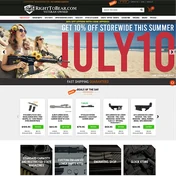
    Right To Bear, righttobear.com

    “I had a great experience working with the team at MAKdigitaldesign. Will definitely come back for future projects. Our BigCommerce store looks great, and everything was done in a timely and orderly fashion.”

  • Kirsten Logan

    Clava.com

    “Mary is the person you need to know and work with if you have a Volusion site. She is incredibly knowledgeable about all things Volusion and we couldn't have set up our store the way we wanted to without her, and it looks great! Thank you Mary and Mak Digital.”

  • Ryan

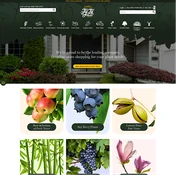
    TYTY Nursery, tytyga.com

    “From the initial consultation to the final launch, this team was a game-changer for our e-commerce venture. They provided invaluable insights and strategic guidance that elevated our store to new heights. Their attention to detail and innovative approach transformed our online presence, attracting a wider audience and driving conversions. Our business has never been stronger.”

See where your BBQ store stands in search

Request a free audit of your fuel-type categories, grill and smoker product pages, product feed and seasonal pages, with fixes listed in priority order.

BBQ SEO FAQs

Common questions from grill, smoker and BBQ supply retailers about search.

Should a grill store organize categories by fuel type or by brand?

Both. Make fuel-type hubs (pellet, gas, charcoal and kamado, offset, griddle) the main navigation, because that is how most shoppers start, and add brand hubs alongside for buyers who already know what they want. Make only the brand and fuel combinations people search indexable, and keep sorting options and stacked filters out of the index.

Can I use the manufacturer's product descriptions for grills?

You can keep the manufacturer facts, but the same text appears on many dealer sites, so it gives search engines no reason to choose your page. Add original copy about which cooks the grill suits, how it compares with nearby models, compatible accessories, assembly and owner questions. Start with your best sellers and highest-margin cookers.

What specs should a grill or smoker product page include?

Primary and secondary cooking area, temperature range, BTU for gas models, hopper capacity for pellet grills, fuel type, body and grate materials, dimensions, weight, controller type, warranty terms, assembly requirements and shipping method. Put them in an HTML table and match key values in your Product structured data and product feed.

When should BBQ stores start preparing for grilling season SEO?

Months before spring. Seasonal landing pages, buying guides and gift guides need time to be crawled, indexed and linked before demand rises around Memorial Day, Father's Day and July 4. Keep those URLs permanent and update the products each year so they keep their links and history. Plan year-end gift guides by early autumn.

What happens to rankings when a grill model is discontinued?

If the page is deleted and returns a 404, its links and reviews stop helping the store. Redirect it to the successor model when there is a clear match, or keep the page live as a legacy model page with parts, manuals and a link to the replacement. Owners often keep searching an old model number long after it leaves the catalog, usually for burners, grates, igniters and manuals.

Does recipe content help sell grills and accessories?

It helps when each guide is tied to the equipment and products the store sells, such as a reverse sear guide for kamados that links to the cooker and thermometer used, written by someone who actually cooks. Publishing many generic recipes with no product link competes with food sites and does little for sales.

How can a smaller BBQ retailer compete with big-box stores and marketplaces?

By going deeper where large retailers are thin: specific brands you are authorized for, built-in components with cutout data, replacement parts by model number, hands-on comparison guides and clear freight, assembly and support details. Long comparison and spec searches are more winnable than head terms like "grills". Restaurants and caterers are a separate case: "bbq near me" is local search, built on a Google Business Profile, a text menu, catering pages and reviews, covered in the restaurant section above.

How does AI search affect BBQ stores, and what does this page structure do about it?

Google AI Overviews, ChatGPT and similar assistants now answer questions like "pellet grill or kamado for a beginner" by summarizing several sources and naming products. They pull from pages that state facts plainly: spec tables in text, direct answers to fuel and comparison questions, and Product markup that matches the feed. The structure described on this page, with fuel-type hubs, Q&A blocks, spec tables and comparison guides, gives assistants clear passages to cite. AI search optimization is included in MAK Digital SEO plans from $2,000/month; see our answer engine optimization services.

SEO Resources

From the eCommerce Experts

Read Our Blog

Start Your Project With Us

Share some details, and our team will follow up.

Please write at least 20 characters.

Click to upload or drag and dropUp to 5 files, 10 MB each

    Get the MAK Digital Newsletter

    eCommerce design, development, SEO, and marketing insights, a few times a month. No spam, unsubscribe any time.

    By subscribing you agree to our privacy policy.