Getting Your Shopify Store Into ChatGPT Shopping and Instant Checkout

The realistic starting point for Shopify ChatGPT Shopping is not “how do I force inclusion?” but “what can my store make unambiguous?” You can control the quality of your product data, the clarity of your product pages, the consistency of pricing and availability, the crawlability of your storefront, and the trust signals that help a buyer decide. You cannot control whether a conversational shopping experience selects a specific product, how often it appears, or whether a checkout integration is offered to your store.
That distinction matters because discovery and checkout are separate outcomes. Discovery means your products are understandable enough to be considered in a shopping answer: titles describe the item, variants are clear, images match the product, inventory is current, and policies are visible. Checkout readiness means the store can support a low-friction purchase path: accurate taxes, shipping rates, fulfillment rules, order notifications, returns handling, and customer support workflows.
For ChatGPT Instant Checkout Shopify planning, use a gated-access mindset. Do not redesign your operations around an assumption that Instant Checkout is universally available to every Shopify merchant. Instead, prepare the pieces that would matter if access becomes available: clean catalog feeds, reliable stock status, stable product URLs, trustworthy policy pages, and checkout settings that already work without manual fixes.
This guide separates two kinds of work. Confirmed requirements are the platform-level eligibility, access, and setup items a merchant must satisfy when an official enrollment path exists. Practical optimization is the broader eCommerce discipline that improves machine understanding and buyer confidence even when no placement or checkout outcome is guaranteed.
How ChatGPT Shopping Discovery Differs From Traditional Store Search
The discovery problem changes when the buyer does not type a category keyword and scan a results page. In traditional search, the store page often wins or loses attention through page relevance, snippets, links, and search rankings. In marketplace search, the product competes inside a controlled catalog where category, attributes, price, availability, reviews, and fulfillment promises are usually normalized. In a shopping feed, the merchant sends structured product records so the channel can compare items more directly.
A conversational shopping experience is different because the shopper may describe a need instead of a product name: “a lightweight carry-on for a three-day work trip,” “unscented moisturizer for sensitive skin,” or “a birthday gift for a ten-year-old who likes robotics.” That means the product record has to do more than match a keyword. It needs to communicate product type, use case, audience, constraints, variants, price, stock status, shipping expectations, and the reason the item fits the request.
For Shopify ChatGPT Shopping readiness, a strong signal is a product page and catalog entry that answer the buyer’s likely comparison questions without ambiguity. “Women’s waterproof hiking jacket, packable, breathable shell, sizes XSâXL, black and red, in stock” is more useful than “Adventure Jacket.” A weak signal is a clever title, thin description, missing variant labels, lifestyle-only images, or stale availability that forces the system or buyer to guess what is actually being sold.
This overlaps with eCommerce SEO, but ChatGPT and AI-driven discovery are not the same as running a generic online store SEO checklist. Meta titles and indexable pages still matter for store discovery, but AI shopping readiness depends heavily on product-level clarity and operational consistency. The practical takeaway is simple: treat every product as a structured answer to four questions, what is it, who is it for, can it be bought now, and can the merchant fulfill it reliably?
Check Eligibility, Access, and Merchant Requirements Before You Optimize
Before changing product data or templates, separate “can be discovered” from “can transact.” Visibility in a shopping answer, a product card, and an embedded checkout are different access states, and each can be limited by criteria outside your theme, SEO work, or catalog cleanup.
- Rollout status: This is whether the feature is generally available, invite-only, in testing, or unavailable for your merchant account. The practical difference is simple: if there is no official enrollment path, app connection, partner notice, or account-level invitation, you should not plan around a switch you can turn on from the admin.
- Geography: Region can affect both merchant participation and buyer experience. A store may be technically ready but still unable to use a checkout flow if the merchant location, selling market, currency, payment setup, or buyer location is outside the offered scope.
- Product category: Category eligibility is about what the channel is willing to surface or allow through checkout. Low-risk retail items, regulated products, age-restricted goods, subscriptions, customized products, and products with special shipping rules can be treated differently, so map your catalog by risk and fulfillment complexity before assuming broad access.
- Platform connection: For Shopify Instant Checkout ChatGPT planning, connection means more than having a live storefront. It may involve an official app, channel integration, feed, API connection, or partner-managed enrollment path. A good signal is an authenticated connection that can pass product, price, inventory, order, tax, shipping, and fulfillment data reliably; a weak signal is a manual workaround that cannot keep those records synchronized.
- Merchant requirements: These are the operational standards a merchant may need to meet before participating: accurate inventory, valid payment configuration, clear shipping and return policies, customer support readiness, and the ability to process orders without creating exceptions. If any of those basics are unstable, optimize them before chasing channel-specific exposure.
As of 2026-07-07, treat ChatGPT Instant Checkout Shopify access as something to validate through official OpenAI and Shopify merchant channels, not as a guaranteed feature in every store. Build a short internal checkpoint: who monitors official notices, who owns enrollment if offered, which product categories are eligible candidates, and which operational gaps must be fixed before applying or connecting.
Build Product Data That an AI Shopping Experience Can Understand
The product record is where readiness becomes operational: every item should be described clearly enough that a buyer, a feed processor, a structured data parser, and an AI shopping layer can all identify the same product without guessing.
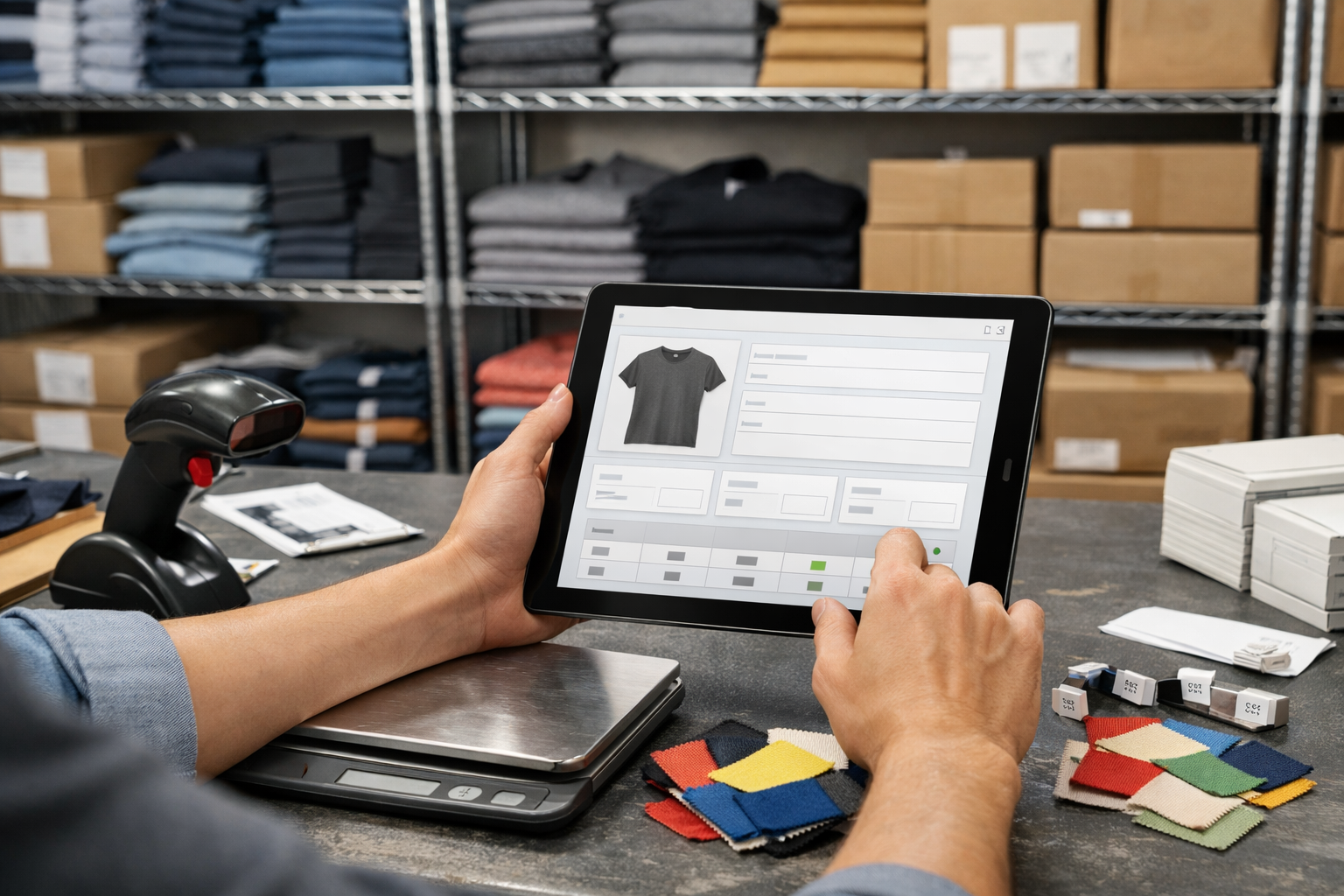
- Product title: Use the name a shopper would recognize, then add the most important differentiator. “Women’s Merino Wool Crew Socks, Black, 3 Pack” is stronger than “Cozy Sock Bundle” because it names the audience, material, style, color, and quantity. Avoid stuffing every attribute into the title if those details belong in variant fields.
- Product description: Explain what the product is, who it is for, and which buying questions it answers. A weak description says “premium quality backpack.” A stronger one says “20L water-resistant commuter backpack with padded 15-inch laptop sleeve, luggage pass-through, and two side bottle pockets.”
- Variant data: Treat size, color, material, pack count, scent, finish, and configuration as structured choices, not loose text. If “Navy / Large” exists as a variant, the same option should appear consistently in Shopify, feeds, schema, and the visible product page.
- Pricing and availability: Keep sale price, compare-at price, currency, inventory status, and backorder messaging aligned everywhere the product appears. A product that says “in stock” in one place and “sold out” in another creates avoidable friction for both discovery and checkout readiness.
- Identifiers: Maintain clean SKU values for internal tracking and use GTIN, UPC, EAN, ISBN, MPN, or brand identifiers when they apply. These fields help separate a genuine product match from a similar-looking item, especially for branded goods, replacement parts, books, electronics, and standardized retail products.
- Images: Provide clear primary images and supporting angles that show scale, packaging, texture, included accessories, and variant differences. If the red version uses the blue product image, the data record becomes less trustworthy.
- Attributes: Fill in color, size, material, dimensions, weight, gender, age range, compatibility, care instructions, and use case where relevant. These attributes turn vague catalog entries into matchable answers for Shopify ChatGPT Shopping-style discovery.
Make product feed optimization a catalog governance habit, not a one-time export task. Pick one canonical wording for each attribute, remove duplicate or near-duplicate variants, standardize units such as inches versus centimeters, and audit your highest-margin products first. The practical test is simple: if a shopper asked for the product by need, constraint, or comparison point, your catalog data should already contain the answer.
Optimize Product Pages for Both Buyers and Machine Understanding
A clean catalog record still has to land on a page that resolves the buyer’s next doubt. Product page optimization should make the same facts obvious to a human shopper scanning the screen and to systems trying to understand what the item is, whether it is available, and why it fits a specific need.

- Above-the-fold proposition: The first view should identify the product, price, primary benefit, key variant, review signal if available, and the main purchase action. “Waterproof 20L commuter backpack with 15-inch laptop sleeve” is stronger than a lifestyle headline because it names the use case and the deciding attribute immediately.
- Useful descriptions: Separate persuasion from specifications. A short opening paragraph should explain who the product is for and what problem it solves; bullets or tables should handle dimensions, materials, care, ingredients, compatibility, included parts, or warranty details. This gives buyers fast answers without burying structured facts in prose.
- Images and media: Use a clear primary image, then support it with angles, scale shots, packaging, variant-specific images, and close-ups of texture or functional details. For products where fit, finish, or installation matters, weak imagery creates avoidable uncertainty even if the written data is complete.
- Variant selectors: A selector is the control buyers use to choose options such as size, color, material, quantity, scent, or configuration. Dropdowns work for long option lists; swatches are better when visual color or finish matters; buttons are useful for a small number of sizes or pack counts. The practical rule is that the selected option should visibly change the price, image, SKU context, and availability when those values differ.
- Reviews and comparison details: Reviews help buyers assess real-world use, while comparison tables help them choose between similar models, bundles, or tiers. A good comparison explains meaningful differences such as capacity, material, included accessories, or intended user; a weak one repeats marketing adjectives across every option.
- Shipping and returns visibility: Put delivery expectations, free-shipping thresholds, return windows, exclusions, and restocking conditions close enough to the purchase decision that the buyer does not have to leave the page. This matters especially when an AI-assisted shopping path sends a shopper directly to a product instead of through your homepage or policy pages.
Technical markup should reinforce the visible page, not compensate for a thin one. Product structured data identifies the page as a product and can express details such as name, image, description, brand, SKU, offers, price, currency, availability, reviews, and ratings when those details are present. Offer data describes the commercial terms for buying the product; review and rating data should reflect real customer feedback rather than decorative stars.
For Shopify SEO and Shopify ChatGPT Shopping readiness, treat schema markup as a machine-readable best practice, not a confirmed guarantee of inclusion or ranking in ChatGPT Shopping. The safest implementation principle is consistency: the structured data, visible product copy, selected variant, price, availability, and review content should all describe the same item. If your theme or app outputs product schema automatically, audit the rendered page for duplicates, missing variant details, stale prices, or markup that describes a different product state than the shopper sees.
Make the Store Crawlable, Consistent, and Easy to Trust
The next failure mode is quieter: a product can be well written and correctly marked up, yet still be hard to reach, duplicated across URLs, slow to use, or thin on merchant trust.
- Crawlable product pages: A crawlable page is one that automated discovery systems can request, render, and interpret without being blocked. Your priority is to keep active product URLs accessible, avoid accidental
noindexsettings on products or collections, and make sure important items are not hidden behind internal search, app-only widgets, or broken navigation paths. - Canonical URLs: A canonical URL identifies the preferred version of a page when the same product can appear through multiple paths, such as a product URL reached from different collections. The practical takeaway is that the canonical version should match the page you want buyers and systems to treat as authoritative, with one stable title, description, product data set, and buying path.
- Redirects and discontinued products: A redirect sends an old URL to a new destination. Use a clean redirect when a product has moved, a model has been replaced, or a collection structure changes. A strong redirect points to the closest equivalent product or category; a weak one sends every old product to the homepage, forcing buyers and crawlers to start over.
- Speed and mobile usability: Fast pages and usable mobile layouts reduce friction before the buyer reaches the cart. Watch for oversized media, excessive app scripts, intrusive popups, and variant controls that are difficult to tap. For Shopify ChatGPT Shopping readiness, the goal is not a perfect score; it is a product page that loads reliably and lets the shopper evaluate the item without fighting the interface.
- Metadata and visible consistency: Page titles and meta descriptions should summarize the same product the page actually sells. If the title promises “organic cotton queen sheets” but the page defaults to a polyester twin variant, that mismatch weakens online store SEO and buyer confidence at the same time.
- Trust basics: Use HTTPS, show a recognizable merchant identity, and make contact, shipping, returns, privacy, and business information easy to find. A good trust signal is specific and operational: a real support email, clear return conditions, delivery expectations, and consistent brand naming across the storefront, emails, product pages, and checkout flow.
The same data hygiene issues show up across eCommerce platforms, and a BigCommerce vs Shopify comparison can be useful when planning migrations or internal links. For this guide, though, the implementation lens stays Shopify-specific: audit the storefront URLs, theme output, redirects, app behavior, and merchant-facing policy pages that shape how your products are discovered and trusted.
Prepare for Instant Checkout Before You Get Access
If an embedded purchase path becomes available, the weak point may not be the product description; it may be whether your operations can honor the promise made at the moment of purchase. Treat Instant Checkout preparation as conversion-risk reduction, not as proof that your store will be approved, selected, or activated.

- Inventory accuracy: Decide which system is the source of truth for available stock, then keep product, variant, and location quantities aligned. A strong setup distinguishes “in stock at the warehouse,” “available for local pickup,” “backordered,” and “not for sale.” A weak setup shows sellable inventory that your team cannot actually ship.
- Order routing: Routing is the rule set that decides where an order goes after purchase. Route by warehouse, dropship vendor, store location, or product type. The takeaway: if a ChatGPT-originated order arrives, it should land in the same fulfillment queue as any other paid order, with no manual guessing about ownership.
- Payment, tax, and shipping configuration: Payment settings define what tender types you accept; tax settings control how charges are applied by market; shipping rates define what the buyer pays and what delivery promise is shown. Before any new checkout flow matters, your rates, zones, surcharges, and shipping details should match what your team can fulfill.
- Fulfillment workflows: Map what happens after payment: fraud review, picking, packing, carrier label creation, tracking upload, exception handling, and handoff to customer support. Good readiness means every status has an owner; weak readiness leaves “paid but not shipped” orders waiting for someone to notice.
- Cancellations and returns: A cancellation process handles orders stopped before shipment; a returns policy governs what happens after delivery. Separate the two clearly. Buyers should know the time window, product condition requirements, refund method, return shipping responsibility, and any exclusions before they buy.
- Support and post-purchase communication: Prepare order confirmation, tracking, delay, cancellation, refund, and return messages. Use plain language and consistent brand contact information so the buyer knows who sold the product, how to get help, and what happens next.
- Fraud controls: Decide which orders can auto-release and which require review. A low-risk repeat customer might move straight to fulfillment; a mismatched billing profile, unusually large order, or high-risk destination might pause for review. The goal is to reduce chargeback exposure without creating unnecessary delays for legitimate buyers.
For Shopify ChatGPT Shopping readiness, the practical standard is simple: if access appears tomorrow, your team should be able to accept, route, fulfill, support, cancel, refund, and communicate about the order without inventing a new operating procedure under pressure.
A Practical Readiness Checklist for Shopify Merchants
Turn the preparation work into a short operating cadence, not a one-time launch project. The best checklist is prioritized by dependency: access status first, then product understanding, then page quality, then transaction readiness, then measurement.
- Recheck availability and enrollment status. Separate discovery visibility from embedded checkout access. Discovery readiness affects whether products can be understood and surfaced; checkout access affects whether the buyer can complete a purchase without leaving the experience. Assign one owner to watch official OpenAI and Shopify rollout updates and record what, if anything, your store is eligible to activate.
- Audit catalog data by revenue and margin priority. Start with products that matter most commercially. Good records have specific titles, complete variant names, current pricing, accurate availability, strong images, brand or manufacturer details, identifiers where available, and attributes buyers actually compare. Weak records rely on vague names, missing sizes, duplicated variants, or stale inventory.
- Improve the product pages behind those records. Product page optimization should make the offer clear without forcing the buyer to infer fit, use case, shipping expectation, return terms, or variant differences. A strong page answers “Is this the right item for me?” before the buyer reaches checkout.
- Validate structured data and visible consistency. Structured data validation tools help you see whether machine-readable product details are parseable. The practical test is alignment: the markup, visible price, selected variant, availability message, reviews, and canonical URL should describe the same item.
- Confirm crawlability and indexable paths. Make sure important product URLs are reachable, not blocked, not trapped behind broken redirects, and not split across avoidable duplicates. This supports broader eCommerce SEO as well as AI shopping discovery readiness.
- Document policies where buyers make risk decisions. Put shipping speed, return windows, refund method, exclusions, support contact details, and order-change rules in plain language. These are conversion signals, not footer filler.
- Test checkout, fulfillment, and post-purchase flows. Place test orders for key product types, shipping zones, discounts, and edge cases. Confirm that confirmation emails, tracking, cancellation handling, returns, and support routing work before a new channel exposes the gaps.
- Track performance across channels. Compare store analytics, search performance, feed diagnostics where applicable, paid shopping data, marketplace reports, email performance, and customer service themes. Shopify ChatGPT Shopping should fit into a broader multi-channel discovery strategy alongside Google Shopping, marketplaces, email, organic search, and paid media, not replace them.
Focus on Readiness, Not Shortcuts
Resist any tactic that treats AI shopping as a loophole around the fundamentals. If a store depends on shortcuts, the real issue is usually readiness: vague variants, thin product copy, inconsistent pricing, hard-to-reach product URLs, unclear delivery promises, or checkout steps the team has not pressure-tested.
Use Shopify ChatGPT Shopping as a forcing function for stronger operating discipline. Eligibility work defines whether there is an access path. Catalog work makes the product understandable. Product-page work turns attributes into buyer confidence. Technical hygiene keeps the offer reachable and consistent. Checkout and fulfillment work reduces the risk that a new purchase path exposes weak order handling.
Do not judge the effort only by immediate placement, Instant Checkout access, or search rankings. The same improvements support broader online store SEO, cleaner merchandising, better customer support, and fewer avoidable purchase objections. That makes the work valuable even when AI shopping rollout timing, merchant eligibility, or transaction features remain outside your direct control.
Your next step is practical: verify current availability through the official merchant channels available to your business, audit product data for your most important items, repair the pages most likely to influence revenue, and keep pricing, inventory, policies, checkout, fulfillment, and measurement in working order. The goal is not to guarantee inclusion; it is to be ready when a qualified product, buyer intent, and available shopping experience line up.