Visits, exhibitions, collections and members

Museum SEO for Art Museums and Cultural Institutions

People find a museum in three ways: planning a Saturday visit, looking up a named exhibition, or researching an artist or object they saw elsewhere. MAK Digital builds museum SEO around all three, from accurate hours and free-day listings on Google to exhibition pages that stay live after closing and collection records search engines can actually crawl.

Since 2012
Building and growing websites
30+
In-house specialists
800+
Projects delivered

MAK Digital at a glance

  • 15

    Years in eCommerce

    Fifteen years of building, migrating, and growing online stores for B2B and B2C brands.

  • 30+

    In-house specialists

    SEO, AI search, paid media, design, and development experts under one roof.

  • USA

    US-led, globally staffed

    A US-based core team you talk to directly, backed by vetted specialists worldwide.

  • 4.9

    Client rating

    Average score across 650+ verified client reviews.

Museum SEO services

What a museum SEO program covers

A museum website does several jobs at once: visitor information desk, exhibition program, research catalog, membership office, donation page and gift shop. Each job attracts different searches, so the program is organized the same way.

  • Google Business Profile and visit pages

    Museum, Art museum or the closest specific category such as History museum as the primary category, hours that include holiday closures, late openings and free admission days, accessibility attributes, current exhibition posts, and a plan-your-visit page that answers parking, transit, bag policy and timed-entry questions.

  • Exhibition page lifecycle

    A template and calendar for special and traveling exhibitions: pages published well before opening, ExhibitionEvent markup and ticket links during the run, and an archive state after closing that keeps the URL, its press links and its link to the catalog.

  • Online collection technical SEO

    Crawl and render review of the collection database: object record templates, accession-number URLs, faceted search, duplicate images and JavaScript or IIIF viewers that hide content from Google.

  • Image SEO for artworks and objects

    Alt text written with curatorial input, image sitemaps, modern formats and responsive sizes, plus open access and image licensing pages for researchers and publishers.

  • Structured data for museums, artworks and artists

    Museum, ExhibitionEvent, VisualArtwork, Person, Offer and BreadcrumbList markup, kept consistent with the Google profile and public reference data about the institution.

  • Membership, donation and ticket tracking

    Membership level pages, annual fund and planned giving pages, and cross-domain analytics for ticketing and donor platforms, so organic visits can be tied to tickets sold, members joined and gifts started.

  • Museum shop SEO

    Product and category structure for prints and reproductions, exhibition catalogs and gifts, with Product markup and a store platform that does not split authority away from the main museum domain.

Search behavior

How people search for museums: plan, discover, research

Museum search does not follow one funnel. The same institution is found by a tourist on a phone, an exhibition-goer who read a review, and a student writing about a painting, and each of them lands on a different kind of page.

Planning a visit

These are local and often branded searches: art museums near me, museums in a named city, things to do downtown this weekend, free museum days, or the museum's own name followed by hours, tickets or parking. The map pack and the Google Business Profile answer many of them before the website is opened, so hours, closures and the ticket link have to be right on Google first. The pages that win the click are plan-your-visit, admission and accessibility pages.

Discovering an exhibition

Exhibition searches are time-bound and specific: an artist's name with an exhibition, the city and the year, what's on at the museum, or the title of a traveling show that is touring several venues. Demand starts when the show is announced, peaks around the opening and reviews, and fades after closing. The exhibition page has to exist before that curve begins.

Researching art and objects

Research searches name artists, specific works, movements, periods and makers. They are informational and can come from anywhere in the world. Object records from the online collection, curatorial essays and artist pages are the page types that can rank here, and they are also what AI assistants read when they answer art-history questions. A museum that ignores this stage leaves its scholarship to encyclopedias and image aggregators.

Local search

Visit-planning pages that win local and near-me search

For most museums, the largest share of commercial search is visit planning, and it is won or lost on accuracy. A visitor who arrives on a Monday to find the galleries closed is unlikely to trust the museum's listing again.

Google Business Profile hours, closures and free days

Museum hours change more than most businesses' hours: late openings on one evening a week, holiday closures, member-only mornings, school-group hours and free admission days. Each change should be set as special hours on the profile, with posts for new exhibitions and events, current gallery and exterior photos, and replies to reviews that mention crowding, accessibility or tickets. Our Google Business Profile optimization guide covers the setup in detail.

Plan-your-visit, accessibility and short-visit pages

Write one strong visit page rather than scattering details across the footer: admission and timed-entry rules, parking and transit, bag and photography policies, the cafe, family facilities and an accessibility section covering wheelchairs, sensory-friendly hours, large-print guides and captioned media. Short itinerary pages, such as what to see in two hours or highlights for families, answer the way tourists actually search.

Tourism listings and cultural districts

Visitor bureaus, city tourism sites, review platforms and attraction directories all publish museum hours and admission. Keep the name, address and hours identical everywhere, and give the museum a presence on cultural-district and itinerary pages that rank for things to do in the city. This is standard local SEO work applied to an attraction rather than a shop.

Exhibitions

Exhibition SEO: before opening, during the run, after closing

Exhibitions are a museum's main source of new search demand, and also its most common source of lost authority, because show pages are often deleted or orphaned when the galleries are rehung.

Before opening

Publish the exhibition page as soon as the show is announced, with the title, artists, dates, curators, the lending institutions where they can be named, and a member preview date. Early research searches and press coverage then point to a page that already exists instead of a press release PDF. For a traveling exhibition, the page should explain what is specific to this venue so it is not a near-copy of the organizing museum's page.

During the run

Mark the page up with ExhibitionEvent, dates and location, link to the right ticket type, and add the related programs: docent tours, lectures, family days and the catalog in the shop. Internal links from the homepage, the visit page and relevant object records tell search engines this is the current priority.

After closing

Keep past exhibition pages live as an archive. Change the status to past, remove ticket calls to action, keep the installation photos and essays, and link each archived show to the objects and artists it featured. These pages keep the links that critics and universities gave them and continue to rank for research searches about the artist. Use 301 redirects only when consolidating duplicates, and map every exhibition URL before a CMS migration. Our post on redirecting images during a redesign applies directly to exhibition photography.

Collections

Making your online collection discoverable

An online collection is often a museum's largest set of pages and its least visible. Collection databases were built for catalogers and researchers, not for crawlers, and the problems they create look a lot like those on a large eCommerce catalog: thousands of templated records, filter URLs and duplicate images. That is the kind of site structure MAK's eCommerce SEO work deals with every day.

Object record templates

Each object record needs a unique title that leads with the work and the artist or maker rather than the accession number, a written description where one exists, date, medium, dimensions, provenance, credit line and current gallery location or on-view status. Records with only a thumbnail and catalog fields are thin; prioritize writing for the works people actually search for, and keep the rest crawlable but lower in the internal linking.

Faceted search and crawl traps

Filters by artist, date range, medium, culture, department and on-view status can generate an almost unlimited number of URL combinations. Decide which facet pages deserve to be indexed, such as an artist's works in the collection or a department landing page, and keep the rest out of the index with canonical tags, noindex or robots.txt rules, chosen per facet, so crawling time goes to object records.

JavaScript and IIIF viewers

Deep-zoom and IIIF image viewers are valuable for researchers but often load the image and even the object text with JavaScript. Make sure the record text and a standard image are in the server-rendered HTML, with the viewer added on top, and that the same image is not indexed under several URLs.

Structured data and images

Structured data and image SEO for museum sites

Museum sites are image-heavy and entity-rich, which makes markup and image handling more important than on a typical local business site.

Schema types that fit museums

  • Museum (or ArtGallery for galleries) for the institution, with opening hours, address, accessibility details and links to official profiles.
  • ExhibitionEvent for each show, with dates, location and an Offer for tickets.
  • VisualArtwork for object records, with the artist as a Person, medium, date and dimensions.
  • Offer for admission and membership levels, and BreadcrumbList across collection and exhibition sections.

Validate markup with our schema check and keep names, hours and addresses identical to the Google profile and to public reference sources such as Wikidata. Consistent entity data is what lets search engines and assistants recognize that the museum, its building and its collection belong together.

Images

Alt text should describe what is shown, not repeat the title, and is best written with curators so it is accurate: subject, medium and notable detail. Serve modern formats at responsive sizes, submit an image sitemap, and keep gallery and collection pages fast on mobile; website speed optimization matters on pages carrying dozens of high-resolution works. Open access and image licensing pages should state the terms clearly, because publishers and researchers search for them.

Revenue pages

Turning museum visitors into members, donors and shop customers

Organic traffic only helps a museum's budget when it leads to tickets, memberships, gifts and shop orders, and those usually run on separate systems.

Membership pages

Give each membership level its own clear section or page with what it includes: free admission, guest passes, member previews, shop discounts and reciprocal admission programs where the museum takes part. A comparison of a family's visit cost against an annual membership answers the question most prospective members are already asking. Searches such as the museum's name plus membership or membership discount deserve a page that ranks directly.

Donation and planned giving pages

Annual fund, tribute gifts, planned giving and corporate support each have their own audience. State the museum's tax-exempt status where it applies and how gifts support exhibitions, conservation and education, and keep these pages on the main domain even if the donation form is hosted by a donor platform.

Ticketing and cross-domain tracking

When tickets, memberships or donations are processed on a third-party platform, rankings are not harmed, but analytics often lose the source of the visit at checkout. Cross-domain GA4 tracking, clear ticket links from exhibition and visit pages and consistent naming of ticket types fix that, so reports show which exhibitions and searches produced revenue.

The museum shop

Prints and reproductions, exhibition catalogs, books and gifts are standard eCommerce SEO: category pages by artist, exhibition and product type, Product markup, original descriptions rather than supplier text, and a shop that lives on the museum domain or is linked to it consistently. MAK's eCommerce SEO packages cover this side of the site.


Page types

Which museum page answers which search

Each stage of museum search is served by a different page type. Mapping searches to pages is the first step of the content plan.

Museum search stages and the page types that serve them
Search stageExample searchesPage that should rankMain markup
Visit planningart museums near me, museum hours, free museum dayGoogle Business Profile, plan-your-visit pageMuseum, Offer
Exhibition discoveryartist name exhibition city year, what's onExhibition page, then archive pageExhibitionEvent
Researchartist name, artwork title, movement or periodObject record, artist page, essayVisualArtwork, Person
Supportmuseum membership, donate to museumMembership and giving pagesOffer, Organization
Shoppingexhibition catalog, museum print of a named workShop category and product pagesProduct

Where museums lose search visibility

Four problems we look for first on museum sites

These issues follow from how museums run exhibitions, collections and ticketing on separate schedules and systems, not from weak content.

  • Deleted exhibition pages

    Shows removed after closing take their press and university links with them. Archive them instead, and redirect only when a page is genuinely replaced.

  • Collections on a separate system

    A collection database on a subdomain or vendor host, with its own titles and no links back to exhibitions, splits authority and leaves object records unvisited by crawlers.

  • Hours that disagree

    Different opening hours on the website, the Google profile and tourism listings, especially around holidays and late openings, send visitors to locked doors and give Google conflicting hours to choose from.

  • Revenue that analytics cannot see

    Ticket, membership and donation checkouts on another domain without cross-domain tracking make organic search look like it produces no income.

Museum SEO standards

A museum site checklist

The standards we check on a museum website before any new content is written.

  • Google Business Profile hours include holiday closures, late openings and free admission days
  • One plan-your-visit page covers admission, timed entry, parking, transit, accessibility and policies
  • Every current and upcoming exhibition has its own page with ExhibitionEvent markup and a ticket link
  • Past exhibitions are archived on their original URLs and linked to the featured objects and artists
  • Collection object records are server-rendered with unique titles, descriptions and canonical image URLs
  • Faceted collection search has clear index and canonical rules
  • Artwork images have curator-reviewed alt text and appear in an image sitemap
  • Ticketing, membership and donation platforms are connected with cross-domain GA4 tracking
  • Museum, website, collection and shop share one consistent name, address and set of official profiles

A realistic SEO plan for small museum teams

Many museums run marketing with a small team, and much of the content belongs to curators and educators. The plan is ordered so the work that affects visits comes first and curatorial time is used where it counts.

  • Audit the museum's search footprint

    We review the Google profile, visit and exhibition pages, the collection database, subdomains and microsites, ticketing and donation tracking, image handling and structured data, and list what blocks visibility.

  • Fix visit information and local listings

    Profile categories, special hours, accessibility attributes and photos, the plan-your-visit page, and consistency across tourism and review listings.

  • Rebuild exhibition and collection templates

    Exhibition pages with a before, during and after state, archive rules, object record titles and descriptions, facet controls, viewer rendering and Museum, ExhibitionEvent and VisualArtwork markup.

  • Train curators and educators

    Short guidance on writing exhibition copy, object descriptions and alt text that searchers can find, without changing the scholarly voice of the institution.

  • Build authority and report on revenue

    Links from cultural press, tourism boards, universities and local media, guided by our local link building approach, with monthly reporting on tickets, memberships, donations and profile actions from organic search.

What Clients Say About MAK Digital

Reviews from the businesses whose websites and search programs we run.

  • John

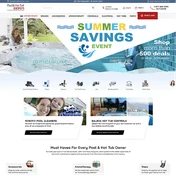
    Pool & Hot Tub Depot

    “Working with this team has been an absolute pleasure! Their dedication to creating successful e-commerce stores is unmatched. We collaborated seamlessly, and their expertise helped us achieve outstanding results. Our online store has seen tremendous growth and success thanks to their guidance and support. Highly recommended!”

  • Webeyecare

    “If you're a BigCommerce user, hitting up MAKDigital is a smart move. It's a hive of skilled web designers and coders. Rest assured, they'll deliver what you're looking for.”

  • Ryan

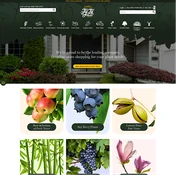
    TYTY Nursery, tytyga.com

    “From the initial consultation to the final launch, this team was a game-changer for our e-commerce venture. They provided invaluable insights and strategic guidance that elevated our store to new heights. Their attention to detail and innovative approach transformed our online presence, attracting a wider audience and driving conversions. Our business has never been stronger.”

Get a free museum SEO audit

We will review your visit pages, Google profile, exhibition archive, collection indexing and ticketing tracking, then send a prioritized plan your team can work through.

Museum SEO FAQs

Questions museum marketing, digital and development teams ask about visit search, exhibitions, collections and AI assistants.

How can a museum improve its search engine ranking?

Work in this order. Fix technical issues first: collection databases and exhibition microsites on subdomains that split authority, past exhibition pages that were deleted or orphaned, and object records search engines cannot render. Then complete the Google Business Profile and the plan-your-visit page, since visit searches are the most common. Next, give every exhibition a page that is published early and archived after closing, make the most-searched collection records indexable with real descriptions, and earn links from cultural press, tourism boards and universities.

Should we delete exhibition pages after a show closes?

Usually not. A past exhibition page keeps the links reviewers and academics gave it and keeps ranking for research searches about the artist. Mark it as past, remove ticket prompts, keep the photos and essays, and link it to the featured collection objects. Use a 301 redirect only when you are merging duplicate pages, and map every exhibition URL before a redesign or CMS migration.

Can our online collection database rank in Google?

Yes, if object pages are crawlable and useful. That means record text and a standard image in the server-rendered HTML rather than only inside a JavaScript or IIIF viewer, a unique title naming the work and artist, a written description for important objects, one canonical URL per record and image, and controls on faceted search so filter combinations do not swallow crawling.

What schema markup should a museum website use?

Museum (or ArtGallery) for the institution, ExhibitionEvent for each show, VisualArtwork for object records with the artist as Person, Offer for admission and membership levels, BreadcrumbList for navigation, and Organization properties such as nonprofitStatus where the museum is a nonprofit. Validate it with our schema check and keep the hours, address and name the same as on the Google profile.

Our tickets are sold on a separate platform. Does that hurt SEO?

It does not hurt rankings directly, but it usually breaks reporting, because the visit source is lost when the visitor moves to the ticketing or donation domain. Set up cross-domain GA4 tracking, link to the correct ticket type from each exhibition and visit page, and keep the descriptive content about exhibitions and admission on the museum's own domain rather than only on the ticketing site.

How do AI search tools like Google AI Overviews and ChatGPT affect museums?

AI assistants now answer questions such as which museums to visit in a city, whether a museum is free on a given day, or who painted a well-known work, often citing a few sources. They tend to cite pages with clear, factual answers and consistent entity data. For a museum, that means visit facts, exhibition dates and object details written in plain HTML with matching markup, and the same name and hours on the website, the Google profile and reference sources such as Wikidata. MAK includes this work in its generative engine optimization and answer engine optimization services; citations cannot be promised, but these steps make the museum's pages easier to use as a source.

Is SEO worth it for a small or volunteer-run museum?

The basics are worth doing at any size because they cost staff time more than budget: an accurate Google profile with special hours, one complete visit page, a page for each exhibition and consistent tourism listings. Larger collection and technical projects can follow when there is a redesign or grant funding. Our post on digital marketing for nonprofits covers the wider picture.

How does local SEO help museum attendance, and how is it measured?

Most visit decisions start with a local search, such as museums near me, things to do in the city this weekend or the museum's name with hours, and many are answered by the Google Business Profile before the website loads. Accurate special hours, free-day details and a direct ticket link turn those searches into planned visits. Success is measured by outcomes the museum already tracks: organic visits to visit and exhibition pages, tickets and timed-entry reservations, new and renewed memberships, donation starts, shop orders and Google profile actions such as directions and calls, along with visibility for priority searches like the museum's city, its exhibitions and its best-known works.

SEO Resources

From the eCommerce Experts

Read Our Blog

Start Your Project With Us

Share some details, and our team will follow up.

Please write at least 20 characters.

Click to upload or drag and dropUp to 5 files, 10 MB each

    Get the MAK Digital Newsletter

    eCommerce design, development, SEO, and marketing insights, a few times a month. No spam, unsubscribe any time.

    By subscribing you agree to our privacy policy.