

 1-888-553-8776
 Eashan Mehta
eCommerce in 2026 is evolving faster than ever. With online sales projected to surpass $7 trillion, the pressure to deliver a safe, smooth buying experience has never been greater. A secure checkout isn’t just a technical upgrade—it’s the foundation of customer trust and long-term loyalty.
As cyber threats grow and shoppers become more aware of online risks, businesses must take transaction security seriously. A protected checkout flow not only shields sensitive data—it minimizes cart abandonment, reinforces brand credibility, and strengthens customer confidence.
The Rising Importance of Secure Checkout in 2026
eCommerce Growth Meets Higher Cyber Risk
The acceleration of online shopping has created a larger target for attackers. Experts predict a 40% rise in eCommerce cyberattacks this year, with hackers increasingly focusing on customer data and payment details. A single breach can destroy years of brand building and customer trust.
Shifting Customer Expectations
Modern shoppers know what secure checkout should look like. They check for HTTPS, recognizable payment gateways, and industry trust badges. When these indicators are missing, hesitation spikes—often resulting in abandoned carts.
The True Cost of Weak Security
The average eCommerce data breach now exceeds $4 million, not including long-term reputation damage. Strengthening checkout security is a small investment compared to the cost of a major breach.
Core Components of a Secure Checkout Experience
A secure checkout is built on multiple protective layers working together.
SSL Certificates & HTTPS
SSL encryption shields data travelling between shoppers and your site. Without HTTPS, customers are far more likely to abandon the purchase—and search engines may flag your site as unsafe.
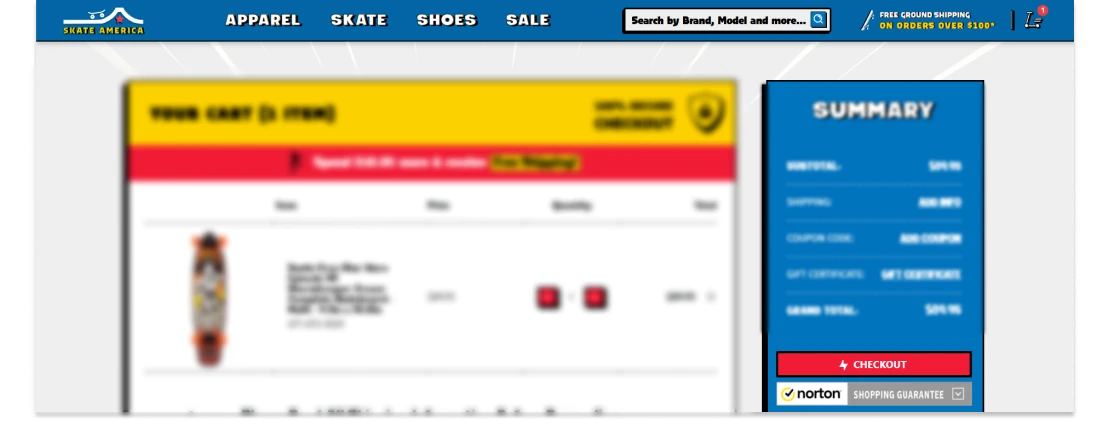
Skate America Trust Badge
PCI Compliance
PCI DSS sets the rules for how stores handle credit card data. Any brand processing payments must follow these standards—or risk heavy fines and serious security vulnerabilities.
Tokenization
Tokenization replaces sensitive card data with random identifiers, making it worthless to attackers and dramatically improving overall checkout safety.
AI-Powered Fraud Protection
Tools like Stripe Radar and Riskified use machine learning to flag risky behavior in real time. This reduces chargebacks, prevents fraud, and keeps customer accounts secure.
Two-Factor Authentication (2FA)
2FA adds a confirmation step—often a text or email code—to ensure the person completing the purchase is the rightful account holder.
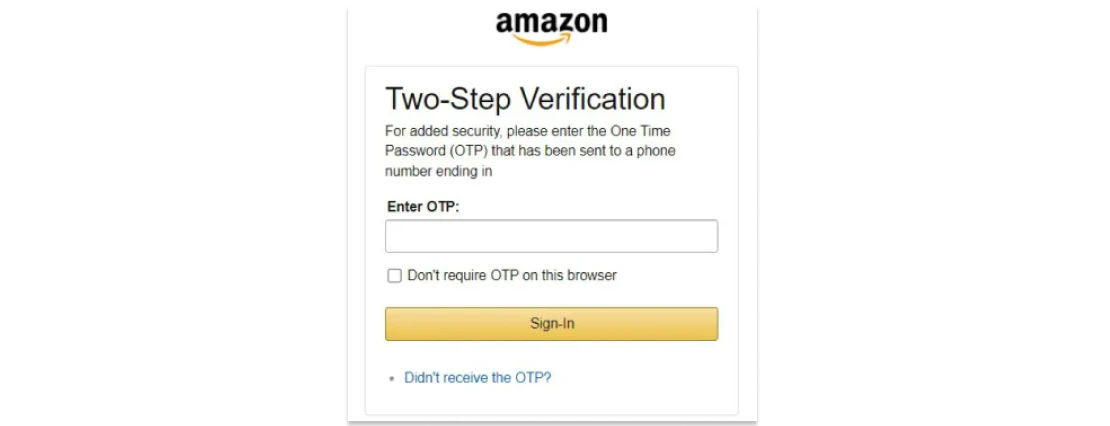
Amazon 2-Step Example
New Technologies Powering Secure Transactions in 2026
Biometric Verification
Fingerprint and facial recognition authentication—already used by Apple Pay and Google Pay—makes checkout both faster and more secure.
Blockchain Security
Blockchain provides a tamper-proof ledger, reducing fraud and ensuring transparent, traceable payments.
Trusted Payment Gateways
Gateways like PayPal, Stripe, and Square provide built-in encryption, fraud detection, and dispute protection—boosting shopper confidence instantly.
How Transparency Builds Customer Trust
Checkout security only works when customers know it exists. Visibility matters.
Show Trust Badges Clearly
Icons proving SSL encryption, PCI compliance, and secure payment gateways help customers feel safe during checkout.
Explain Your Security Measures
A simple reassurance like “Your payment is securely encrypted” removes doubt and keeps shoppers moving through the flow.
Maintain a Clear, Honest Privacy Policy
Your privacy policy should be simple and transparent—explaining how customer data is used, stored, and protected.
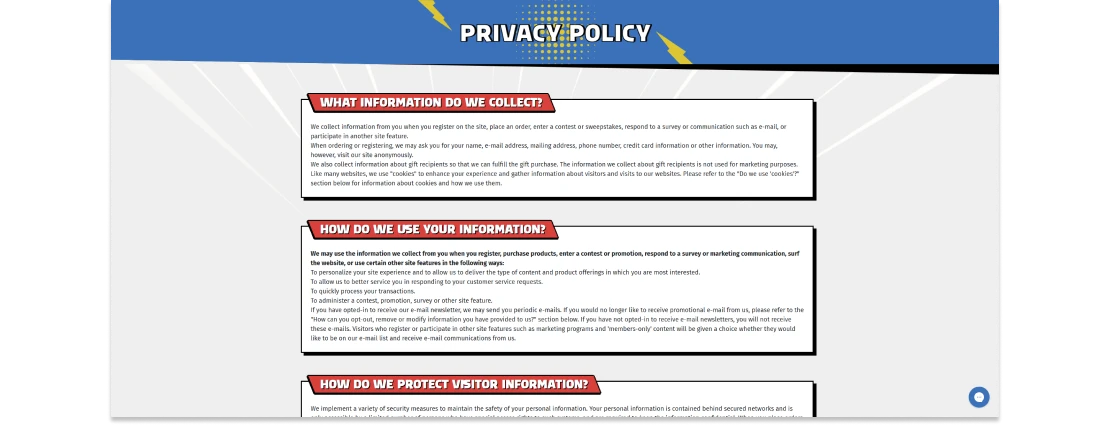
SkateAmerica Privacy Policy
Why Secure Checkout Directly Impacts Business Growth
Higher Customer Trust
When shoppers feel safe, they’re more likely to return and more willing to recommend your store—fueling repeat business.
Better Conversion Rates
A secure checkout removes last-minute hesitation—reducing abandoned carts and improving overall sales.
Regulatory Compliance
With privacy laws like CCPA, secure checkout helps meet legal standards and avoid fines.
Lower Fraud & Chargeback Costs
Stronger security minimizes fraudulent orders, protecting revenue and reducing operational headaches.
How to Build a Secure Checkout System
Start with a platform built for security. Solutions like Shopify, BigCommerce, and Magento offer industry-standard protection out of the box.
Schedule frequent security audits using tools like Qualys to detect vulnerabilities early and stay compliant with industry regulations.
Finally, educate your customers. Help them recognize secure payment pages, avoid phishing scams, and understand the importance of trust badges. An informed shopper is a confident shopper.
Securing Your eCommerce Future in 2026
A secure checkout isn’t optional—it’s a competitive advantage. Businesses that prioritize strong security will earn trust, reduce risk, and create a safer buying experience for every customer.
Want a safer, optimized checkout experience? Contact MAKDigital to protect your transactions and strengthen your store’s credibility.