
eCommerce Customer Retention: Strategies That Keep Buyers Coming Back

Acquisition gets the budget because it is easy to see. Retention deserves equal attention because the economics are stronger. A 5% improvement in retention has been linked to 25% to 95% profit gains, and keeping current customers costs far less than constantly replacing them with new ones. That makes retention a profit lever, a resilience lever when paid acquisition gets expensive, and an efficiency lever because it increases the return on customers you already worked to win.
In plain language, eCommerce customer retention means turning first orders into second orders, then into loyalty and higher lifetime value. This article is a practical playbook for doing exactly that. It starts with the foundation most stores skip: measurement and segmentation. Then it moves through the lifecycle stages that decide whether shoppers become repeat buyers, including the immediate post checkout period, onboarding and engagement, and the communication and service that shape the post purchase experience. The goal is simple: help more customers buy again, stay longer, and become more valuable over time, with clear tactics you can prioritize and metrics you can track.
Build the Retention Foundation Before You Add Tactics
Most brands waste months on blind retention marketing. The source material is explicit: retention starts with foundational measurement and segmentation, and the immediate post-checkout period is the key moment for earning a second purchase and building trust.
Measure the first-to-second-purchase gap first. Cohort new customers by first order date, then track how many place order two inside your normal buying window. If that rate is weak, more campaigns will not solve the problem. You need better onboarding, stronger post-purchase support, or follow-up timed to real reorder behavior.
Build segments and a baseline
Keep customer segmentation behavioral. Start with four groups: first-time buyers, repeat buyers, VIP customers defined by spend or order count, and at-risk customers who have gone longer than their usual reorder cycle. Then map the post-purchase journey for each group: confirmation, delivery, product education, review request, replenishment reminder, and win-back. Lifecycle triggers should follow events and elapsed time, not a promo calendar.
Use simple formulas. First-to-second conversion equals customers with at least two orders divided by first-time buyers in the cohort. Repeat purchase rate equals customers with two or more orders divided by total customers. Purchase frequency equals total orders divided by unique customers.
Those numbers are enough to start. They give eCommerce customer retention a baseline, show which segment needs attention, and let you judge every tactic against repeat purchases, stronger loyalty, and long-term customer value.
Win the Second Purchase in the Post-Purchase Window
The immediate post-checkout window is where trust is either reinforced or lost. It is the key moment for earning a second purchase because customers decide very quickly whether your brand feels reliable, supported, and worth returning to without a discount.
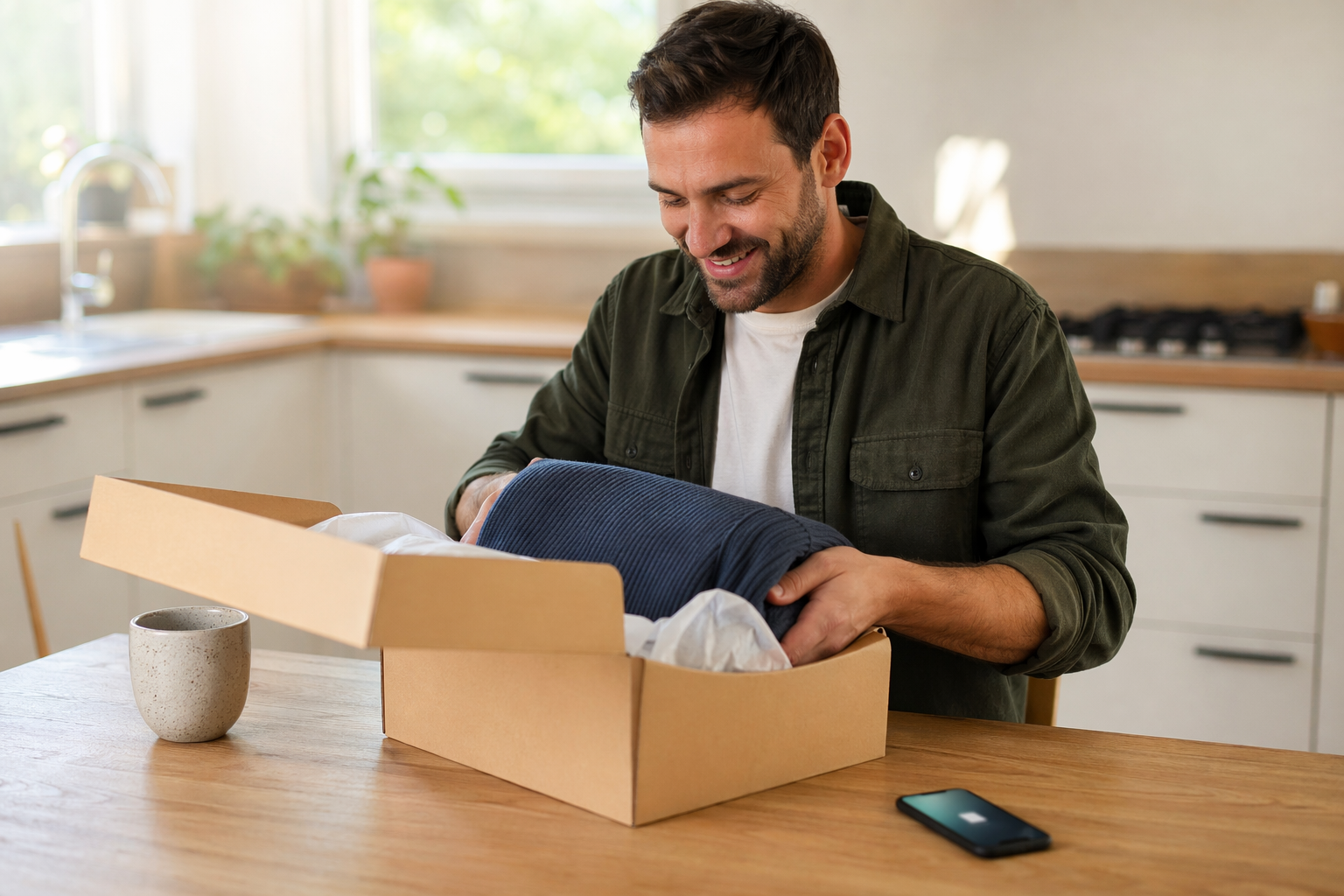
Your first transactional message should answer the questions that create anxiety: what was ordered, where it is shipping, when it is expected to leave the warehouse, and how to get help. Then keep the post-purchase flow moving with proactive updates at the moments customers usually ask for status: order confirmed, shipped, delayed, and delivered. A delay email that includes a revised delivery date and a support path prevents silence from turning into a complaint.
Teach customers how to succeed with the product
Strong onboarding increases the odds that the first order becomes a satisfying first experience. Match the message to the product. Consumables need usage tips and a reorder reminder tied to likely depletion. Apparel needs fit guidance, care instructions, and a one-click exchange option. Technical products need a quick-start guide, setup video, compatibility notes, and the top three troubleshooting fixes before frustration sets in.
Review requests belong after value is delivered, not immediately after delivery. If the product needs seven days of use to judge, wait seven days. Ask one direct question, link to the exact item purchased, and route unhappy customers to support before they post a public complaint.
Make help and returns easy to use
Helpful support is specific, visible, and fast. Put reply-time expectations in emails, link directly to self-service order help, and make the return policy readable in plain language: eligibility window, item condition, refund timing, and exchange steps. Customers do not need a generous policy as much as they need a predictable one.
This is practical eCommerce customer retention work: reduce uncertainty, help customers get value, and remove friction when something goes wrong. Track second-order rate, time to first support response, shipping-related contacts, review submission rate, and exchange-to-repurchase rate. Those signals show whether your post-purchase experience is building loyalty and customer lifetime value or leaking it.
Use Lifecycle Messaging to Create Timely Reasons to Buy Again
The fastest path to a second order starts right after checkout. Post-purchase communication earns trust without leaning on discounts, and that makes email and SMS useful only when they answer the customer’s next question at the right moment. A shipment update, setup tip, or care instruction does more for retention than another generic promotion because it reduces friction after the first buy and keeps the brand relevant.

Good lifecycle marketing runs on segmentation, not volume. Start with three variables: what the customer bought, how often that item is typically repurchased, and how they engage with past messages. That framework turns broad blasts into retention marketing that supports repeat buying, stronger loyalty, and higher customer lifetime value. If someone bought a consumable, send a replenishment reminder near the expected depletion date. If they bought a product that requires setup or maintenance, send education first, then a usage-based nudge when reorder logic actually makes sense.
Personalized cross-sells work best when they extend the original purchase instead of distracting from it. A skincare buyer should see the companion serum that fits their regimen, not a storewide coupon. A coffee subscriber who skips SMS but opens email should get back-in-stock alerts and accessory recommendations there, while highly engaged text subscribers can receive low-frequency inventory alerts or milestone messages tied to refill timing. Relevance lifts repeat purchase rate and average order value without training customers to wait for markdowns.
Measure this like an operating system, not a campaign calendar. Track time to second order, message-attributed reorder revenue, unsubscribe rate, and conversion by segment. If a flow gets clicks but no reorders, the timing or audience is wrong. In eCommerce customer retention, helpful beats louder every time.
Design Loyalty Mechanics That Reward Behavior Without Training Discount Dependence
The immediate post-checkout period is the key moment for earning a second purchase, and post-purchase communication plus service help reduce first-purchase churn by making customers feel supported. A loyalty program should reinforce that experience instead of trying to fix a bad one. In eCommerce customer retention, the goal is repeat buying, stronger trust, and higher long-term value.
Build rewards around behaviors that predict profitable retention: a second purchase, higher order frequency, referrals, reviews, bundle adoption, or subscription enrollment. Points work best in broad catalogs because they give shoppers flexibility, but they need guardrails such as delayed redemption thresholds or bonus milestones so margins are not shaved off every order. Tiers are often better for customer loyalty because status, early access, priority support, and limited releases create attachment without teaching shoppers to wait for coupons. For VIP customers, recognition usually lands harder than another 10 percent off code.
Match the mechanic to the buying cycle
Choose mechanics from customer data, not instinct. Retention work starts with measurement and segmentation, not blind campaign launches. Segment by purchase cadence, category, and gross margin before you launch anything. Subscriptions fit replenishable products with predictable timing. Bundles fit products that are routinely used together and can lift average order value. For repeat buyers in irregular categories, milestone perks often outperform blanket discounts because they reward consistency without resetting price expectations. Track second-purchase rate, days between orders, reward redemption cost, and tier progression. If those metrics improve while margin holds, the program is doing its job.
Reduce Churn by Fixing Friction Before Customers Quietly Leave
Strong eCommerce customer retention starts with diagnosis, not another campaign. Repeat purchases, loyalty, and long-term value improve when you measure where the second order breaks down instead of guessing. Pull return reasons, customer support tickets, NPS or satisfaction feedback, and repeat-purchase cohorts into one view. If one cohort stalls after late deliveries, another returns items for poor fit, and a third logs policy questions before going silent, you do not have one retention problem. You have three separate friction points, and each needs a different fix.

Match the intervention to the failure
The first order is the moment customers decide whether your store feels dependable. Post-purchase service directly affects that decision. Product mismatch calls for better sizing guidance, clearer photos, compatibility details, or a follow-up message that explains setup and use. Slow shipping needs accurate delivery promises before checkout, proactive delay notices, and fast service recovery after a miss. Confusing policies need plain-language shipping, return, and exchange rules placed where buyers actually look. If a cohort shows a higher churn rate after these failures, fix the broken expectation before spending more on win-back offers.
Use save offers selectively
Blanket discounts train customers to wait for coupons and hide the real issue. For online store customer retention, reserve save offers for cases where price or perceived value is the actual blocker and the product is still a fit. If the problem was a damaged shipment or a poor handoff, replace, refund, expedite, or personally follow up. Promotions work best after friction is removed, not as a substitute for doing the work.
Reactivate Lapsed Customers With Relevance, Not Spam
Reactivation is a support tactic, not the engine of eCommerce customer retention. Start with measurement and segmentation, not a batch email to every inactive name. Define “lapsed” against the normal buying cycle: if a consumable usually reorders every 30 days, treat 45 to 60 days of silence as inactive; if the category turns every 90 days, wait longer. That prevents unnecessary outreach to healthy customers and catches real drop-off sooner.
Then segment by what they bought and what they were worth. Former buyers of replenishable items need a refill reminder. Higher-value customers who stopped after sizing or compatibility friction need proof of improved product fit. Others respond to new arrivals in the category they already trusted, or to service improvements such as faster shipping or easier returns. Lead with the reason to come back, not an automatic coupon. Discounts belong in selective eCommerce retention strategies when price was the barrier; sending one to all first-time customers trains them to wait and compresses margin from repeat buyers who would have returned anyway.
Measure What Changes Behavior and Improve the System Over Time
Start with measurement and segmentation before launching more campaigns. Retention work is judged by repeat buying, loyalty, and long-term customer value, not by sending more messages.
Use six metrics. Repeat purchase rate is customers with two or more orders divided by total customers. Time to second order is the days between order one and order two. Purchase frequency tracks orders per customer in a fixed period. Customer lifetime value tracks the revenue or margin each customer generates over time. Cohort retention shows how buyers from the same starting month behave later. Churn shows who stops buying inside your chosen window.
- Prioritize one bottleneck. If second orders lag, test post-purchase education, replenishment reminders, and service outreach before adding more win-back discounts.
- Compare segments separately. New versus returning buyers, replenishment products versus occasion products, and discount-led versus full-price buyers need different reads.
- Iterate monthly. Keep changes that shorten time to second order or lift cohort retention, and cut changes that only create temporary revenue spikes in topline reports.
Effective eCommerce customer retention comes from disciplined lifecycle execution and honest measurement. No test guarantees stronger loyalty, but steady iteration materially improves the odds of higher customer value.
Retention Works Best as a System, Not a Single Tactic
Retention improves fastest when stores stop treating it like a single campaign. Foundational measurement and segmentation come first, because blind sends hide the real friction points in the repeat-purchase journey. From there, post-purchase communication and service do the heavy lifting early. The period right after checkout is where trust is reinforced, first-purchase churn is reduced, and the second order is earned without leaning on discounts. Loyalty mechanics, replenishment reminders, churn prevention, and win-back flows work better when that base is already stable.
That is the real discipline behind strong eCommerce customer retention. It is not one email, one points program, or one save offer. It is a connected operating system built to support repeat purchases, stronger loyalty, and higher customer lifetime value, which matters because keeping current customers carries a clear cost advantage over constant acquisition. Start with the biggest source of repeat-purchase friction, fix it, measure the response, and iterate from actual customer behavior. Durable retention comes from stacking improvements that make buying again feel obvious.