
 1-888-553-8776
 Eashan Mehta
When it comes to eCommerce, most brands rely heavily on paid ads to drive traffic. But the most successful brands built their growth on organic traffic first. Paid ads work in the short term, they deliver fast results and feel like progress. But the moment you stop paying, the traffic disappears. You’re essentially renting attention, and there’s no carryover when the budget runs out.
Paid ads aren’t bad, they’re just not sustainable as your only strategy.When you have a strong organic traffic strategy in place, paid ads become the cherry on top. They amplify what’s already working and help you scale faster. But without that foundation, your budget gets demolished fast. The brands that survive ad volatility, rising costs, and shifting platforms are the ones that built something more permanent underneath, organic growth that compounds over time and keeps working even when the ads are off.
The Problem With Rented Attention
Paid ads reset every day. No matter how much you spent yesterday, today you’re starting from zero. Last month’s traffic doesn’t carry forward, and last quarter’s conversions don’t build momentum. You’re only as visible as your current budget allows, and the moment that budget runs out, so does your traffic.
The cost keeps rising, too. Ad platforms get more competitive, Cost-Per-Clicks climb, and algorithms change without warning. A campaign that worked six months ago suddenly stops performing, and you’re left troubleshooting or spending more to get the same results. For most brands, this isn’t sustainable as a standalone strategy, you can’t build long-term growth on a channel that demands constant spending just to maintain baseline visibility.
Organic Traffic Compounds
Organic channels work differently. The effort you put in today keeps working long after you’ve moved on to something else. A blog post written this month can drive traffic for years, and a product page optimized for SEO doesn’t stop ranking when you stop paying. Content that answers real questions continues surfacing in search results, bringing in visitors month after month without additional spend.
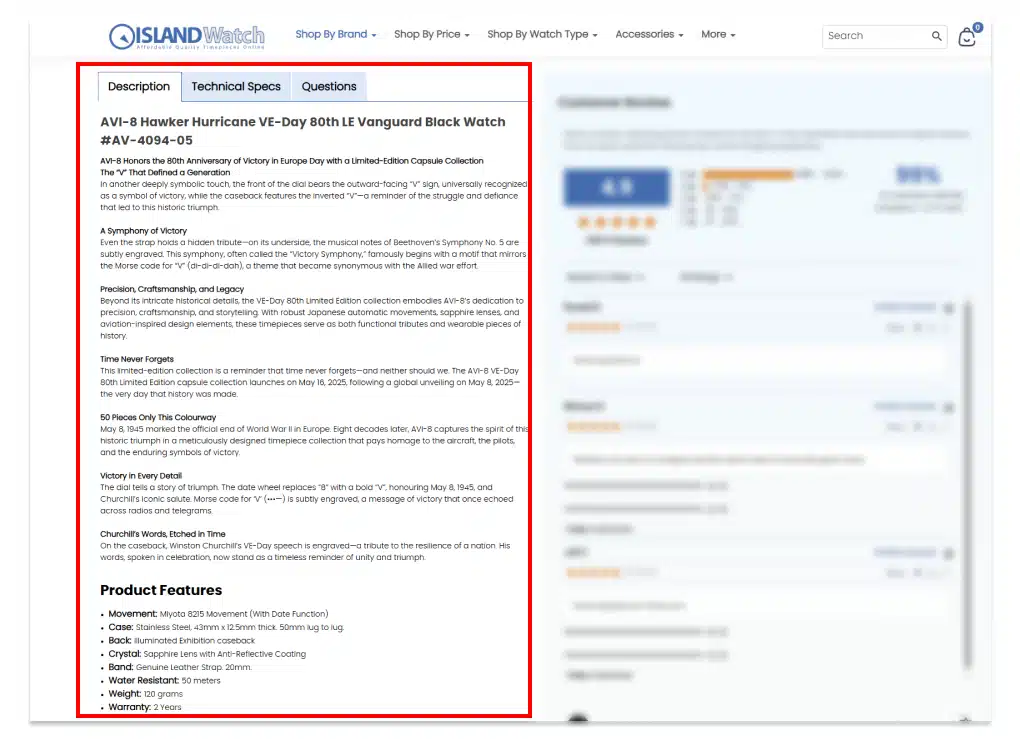 Long Island Watches Optimized Product Description
SEO builds recognition instead of interruption. People find you because they were already looking for what you offer, they’re not being pulled away from something else. They’r actively searching, comparing options, and educating themselves. When they land on your site, it’s because your content matched their intent, not because you paid to get in front of them. That difference is what separates organic traffic efrom paid, it accumulates and compounds over time instead of resetting to zero.
Intent Matters More Than Volume
People clicking ads are often being interrupted. They’re scrolling through social media, reading an article, or watching a video, and an ad pulls their attention elsewhere. They might click out of curiosity, but they weren’t necessarily looking for you. People finding you organically are different, they’re actively searching for a solution, comparing options, or educating themselves on a problem they’re trying to solve. They typed something into Google because they wanted an answer, and your content showed up.
That intent gap is why organic visitors convert better over time and return more often. They didn’t stumble onto your site by accident, they found you because you had what they were looking for. When someone finds you through search once, they’re more likely to come back directly or search for you by name next time. Volume matters, but intent matters more. A thousand interruptions don’t outperform a hundred people actively looking for you.
Trust Beats Visibility

Consumers know what ads are, and they scroll past them on instinct. Banner blindness is real, ad blockers are common, and even when people do click, there’s a baseline skepticism, they know you paid to be there. Organic content feels different. When your site ranks at the top of search results, it signals that Google trusts you enough to recommend you. When your blog post answers someone’s question thoroughly, it builds credibility quietly.
Trust is the real conversion lever, and organic builds it faster than paid once momentum starts. People are more likely to believe content they discovered on their own than content pushed at them through paid placement. They’re more likely to return, recommend you to others, and choose you over competitors. That trust doesn’t come from visibility alone, it comes from consistently showing up in the right context with the right answers.
SEO Makes Every Other Channel Work Better
Strong organic presence improves everything else. When people search for your brand and find a well-ranked site with clear answers, your paid ads perform better because they’re now working with recognition instead of cold traffic. Email engagement improves because recipients trust that you’re legitimate. Conversion rates climb site-wide because your pages are already optimized to answer questions and guide decisions.
Organic isn’t a channel, it’s infrastructure. It’s the foundation that makes every other marketing effort more efficient. When your organic presence is weak, every dollar spent on ads works harder and converts worse. When it’s strong, every channel benefits from the credibility, clarity, and trust you’ve already built. When your fundamentals are strong, everything else works better.
Organic Growth Forces Better Fundamentals
You can hide weak positioning behind ad spend. If your messaging is unclear or your offer isn’t competitive, you can still drive traffic by spending more. You can test your way around bad copy or distract from a confusing site with flashy creative. Paid ads let you move fast, but they don’t force you to be good.
SEO doesn’t let you cheat. If your site ranks and converts organically, it means your message is clear, your pages answer real questions, and your offer stands up to scrutiny. You can’t fake your way to the top of search results, Google rewards sites that provide value, and users reward sites that make decisions easy. That discipline carries everywhere else. The clarity required to rank organically makes your paid ads sharper, the content structure that works for SEO improves email campaigns, and the user experience improvements that boost organic conversions help across the board.
Ads Are Support, Not the Foundation
Paid ads work best as amplification, not foundation. They’re the cherry on top of a strong organic strategy, helping you scale faster and reach audiences you wouldn’t hit organically. But when ads are your only strategy, you’re constantly starting from zero with no momentum building underneath. Organic growth is permanent. Paid is temporary.
The question isn’t “paid vs. organic.” It’s “what happens when the ads stop?” If the answer is that traffic disappears, conversions drop, and growth stalls, you don’t have a marketing strategy, you have a dependency. The brands that survive market shifts, rising costs, and platform changes are the ones that built something durable underneath. Organic growth isn’t faster, but it’s permanent. And permanent wins.