
 1-888-553-8776
 Eashan Mehta
You click into a product page and something feels off. No customer reviews, no ratings, no customer photos. Nothing that shows real people have bought or used the product. Most shoppers leave at that point and look for a store that feels safer. Doubt takes over fast when trust signals are missing, especially in ecommerce where customers cannot see or try the product in person.
This is where social proof becomes essential. Buyers want real experiences from real customers before they commit. They read reviews, look at customer photos, and pay attention to anything that confirms the product is worth their money. They can also spot fake or overly polished reviews, which makes authenticity more important than ever. In 2025, social proof is the force that turns hesitation into confidence. This guide breaks down what social proof is, why it influences conversions, the formats that work best, and how to collect it the right way.
What Is Social Proof and Why It Matters in eCommerce
Social proof is the idea that people feel more confident buying when they see real customers having a good experience. It is the visible proof that your brand is trusted. In ecommerce, this includes reviews, star ratings, customer photos, testimonials, user-generated videos, trust badges, and media mentions. These signals give shoppers a clear picture of what to expect from your product. Reviews highlight real outcomes. Photos show how the item looks outside of studio lighting. Testimonials share personal stories. Trust badges and media mentions confirm that your business is legitimate and safe to buy from.
Social proof matters because online shoppers cannot touch or test products in person. They rely on other people to fill that gap. When customers see authentic reviews and real images, they feel more certain about their decision. It also helps them compare you to competitors. If two stores sell similar products, shoppers choose the one with stronger trust signals. Social proof also answers the questions customers rarely say out loud. Does this work? Will it look the same in real life? Can I trust this company with my money? When people see genuine experiences from others, hesitation fades and the purchase feels l
Types of Social Proof That Drive Sales
Customer Reviews and Ratings
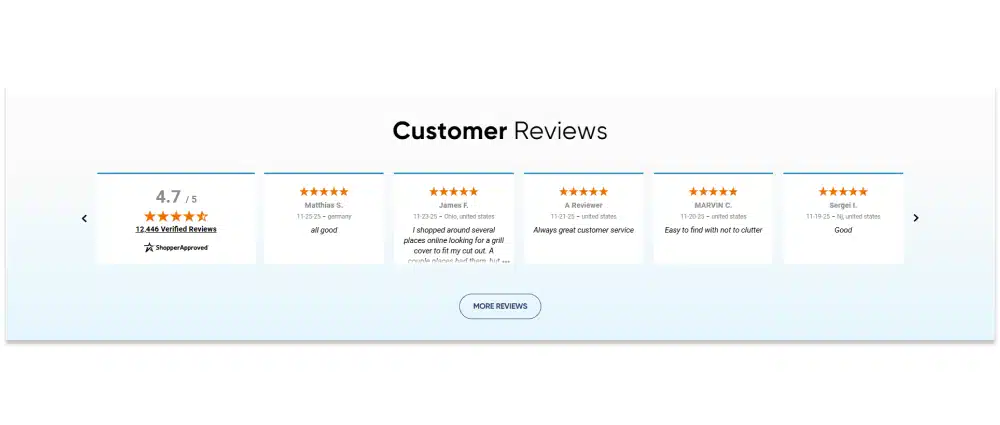 BudgetHeating.com customer reviews
Shoppers look for reviews before anything else. A clear star rating gives instant credibility, and descriptive reviews help people understand what the product is really like. Recency matters too. Fresh feedback shows that customers are buying and enjoying the product today, not years ago.
Customer Photos and Videos (UGC)
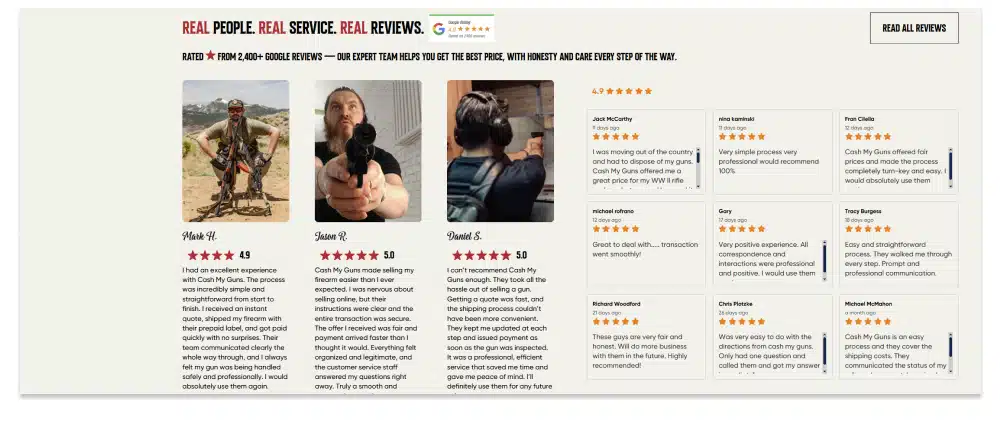 Cashmyguns.com customer photos
Real photos and videos build trust faster than polished studio images. They show how the product looks and performs in real life, which is especially important for fashion, beauty, and home goods. User-generated content feels genuine, and that authenticity makes a strong impact on buying decisions.
Testimonials and Case Studies
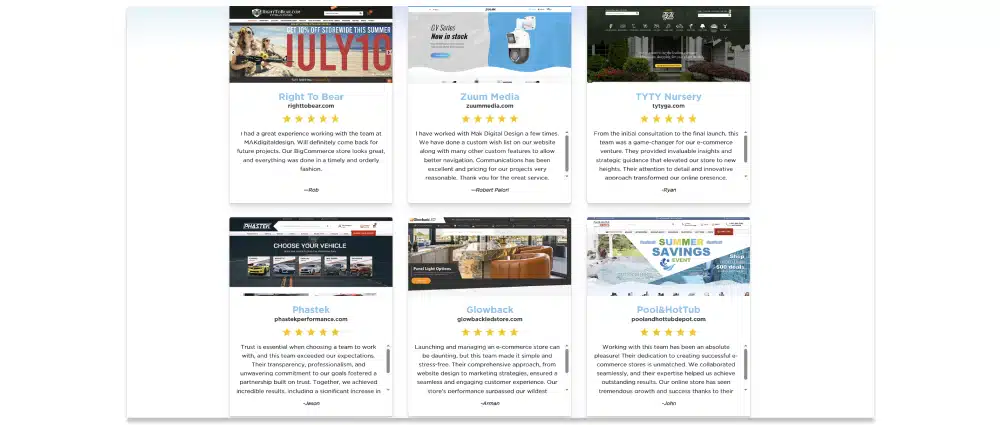 MAK Digital Design testimonials
For high-ticket, complex, or niche products, testimonials and case studies carry more weight. They give shoppers a complete story and show the results someone achieved. Real names, photos, and locations make these stories believable and relatable.
Trust Badges and Certifications
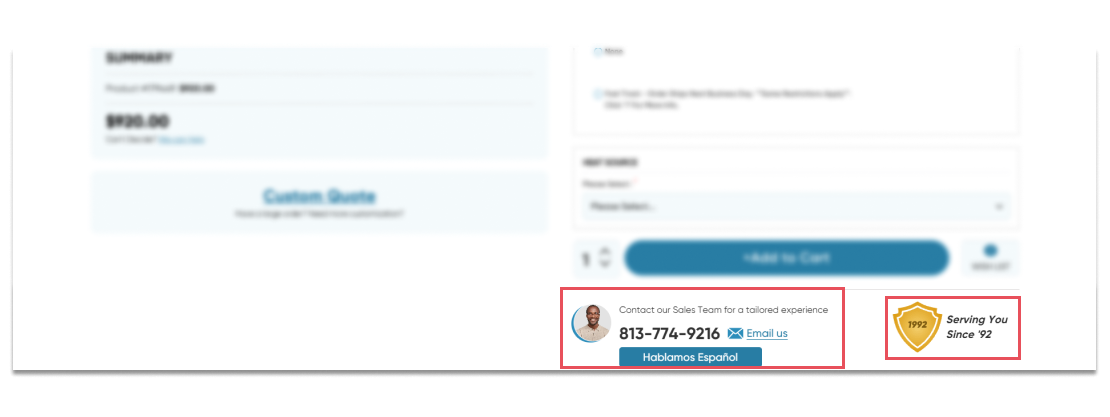 BudgetHeating.com trust badges
Security icons, media mentions, and industry certifications create another layer of reassurance. Used correctly, they help customers feel safe. Used excessively, they turn into noise. Placement and relevance matter more than quantity.
Social Media Proof
 Review of the Fellow Aiden Coffee Machine by James Hoffmann — a trusted expert offering real social proof
Influencer posts, unboxings, and TikTok reviews show your product in motion. Shoppers pay close attention to real reactions and honest opinions. Engagement quality matters more than follower count. People trust creators who feel genuine, not the ones with inflated numbers.
“Bestseller” and “Trending” Labels
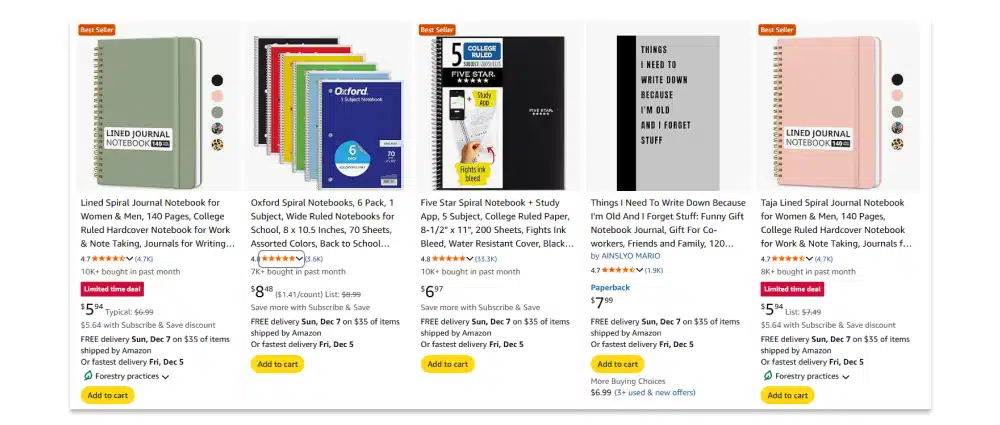 Amazon Best Sellers for Notebooks
Popularity drives action. When shoppers see that a product is selling well, it feels like a safer choice. These labels work only when used truthfully. Overusing them or applying them to slow-moving products can damage trust, and trust is at the center of social proof marketing.
How Social Proof Increases Conversions
Social proof lowers the pressure shoppers feel when they are unsure about a purchase. Reviews, photos, and testimonials give them a clearer picture of what to expect, which reduces the anxiety that often stops people from buying. When customers see others having a good experience, the decision feels safer.
It also speeds up the buying process. Instead of comparing ten similar products, shoppers can look at a few reviews or real customer photos and make a choice quickly. A skincare buyer, for example, may decide in minutes once they see before-and-after photos from someone with the same skin type.
Social proof can increase average order value as well. When customers trust the brand, they feel more confident adding complementary items. A customer buying running shoes may also grab socks or insoles after reading reviews that mention how well they pair together.
Return rates often drop too. Clear photos, honest reviews, and detailed customer feedback set accurate expectations. A shopper who sees multiple body-type photos of a jacket, for example, is far more likely to choose the right size the first time.
How to Actually Collect Social Proof
Getting More Reviews
Reviews come in steadily when you make the process simple. A post-purchase email asking for feedback is usually the best place to start. Incentives, such as a small discount on the next order, can increase response rates. One-click review links also help because they remove friction for the customer.
 Longislandwatch.com utilizing Shopper Approved
If you want a more reliable system, tools like our partner Shopper Approved can automate the entire review collection process. It gathers verified reviews from real customers and publishes them across your store, which strengthens credibility and removes the manual work from your team.
Getting More Customer Photos
Customer photos build trust quickly. Add a photo upload prompt after the review form, create a branded hashtag, or offer a small reward for photo submissions. Featuring customer images on your product pages or social channels encourages others to share their own content.
Gathering Testimonials
Testimonials usually require direct outreach. Contact customers who clearly had a positive experience and ask if they are open to sharing their story. Video testimonials feel especially authentic, but written ones work well. For high-value or complex products, a simple case study that explains the customer’s challenge and the result they achieved adds strong credibility.
Common Social Proof Mistakes
Social proof only works when it feels real. One of the biggest mistakes brands make is using fake reviews. Shoppers spot them quickly, and once trust is broken, it is almost impossible to earn it back. Another issue is hiding negative feedback. A mix of positive and constructive reviews looks honest and helps customers make informed decisions.
Too few reviews can also hurt. Even a handful of real, recent reviews is better than a product page with nothing on it. Outdated testimonials have a similar impact. If the most recent review is from years ago, customers question whether your brand is still active.
Generic praise offers little value. “Great product!” does not help anyone decide. Encourage customers to give details whenever possible. And always respond to negative reviews. A thoughtful reply shows that your brand listens, cares, and is committed to improvement.
Conclusion
Social proof is no longer optional. Customers want real experiences, clear feedback, and visible trust signals before they decide to buy. Every new review, photo, or testimonial strengthens future sales and makes your store feel safer to shop from. When social proof is easy to find, hesitation drops and conversions rise.
If you need help redesigning your store or building a layout that puts trust signals in the right places. Contact us, we can help. Many ecommerce brands have plenty of reviews but lose conversions because the social proof is buried or displayed poorly. With the right placement and design, those trust signals work the way they should. With the right design and placement, those trust signals do the work they are meant to do. Let our team help you turn strong customer feedback into a stronger performing store.