

 1-888-553-8776
 Eashan Mehta
Trust is the difference between a sale and an abandoned cart. A shopper lands on your product page, likes what they see, adds it to cart, and then hesitates. They can’t touch the product. They can’t meet you face-to-face. They’re entering credit card information into a website run by someone they’ve never met. That moment of hesitation is where trust matters most.
Building trust isn’t about adding one feature or badge to your site. It’s built through consistency across every interaction a customer has with your store. From how you display prices to how you respond to support emails, every detail either builds confidence or creates doubt.
In 2025, customers are more cautious than ever. Data breaches, fake reviews, and scam sites have made shoppers skeptical. Your job is to show them, clearly and consistently, that your store is legitimate and their purchase is safe. This guide walks through specific, actionable ways to earn customer trust and turn hesitant browsers into confident buyers.
Why Trust Matters More in 2025
Shoppers in 2025 are more skeptical than they’ve ever been. Data breaches happen constantly. Scam websites look increasingly legitimate. AI-generated fake reviews flood product pages, making it harder to know what’s real. Deepfake technology means even video testimonials can be fabricated. Customers know this, so they approach every new store with caution.
Your competition is one click away. If something feels off about your site, shoppers don’t give you the benefit of the doubt. They leave and buy from someone else. Customers have endless options now, and their expectations have risen to match. They expect transparency, fast responses, easy returns, and proof that other people have bought from you successfully.
Trust isn’t just about making a single sale. It’s about creating repeat customers. A first-time buyer who trusts you comes back. They spend more over time. They recommend you to others. One-time customers are expensive to acquire. Trusted relationships pay for themselves repeatedly. In 2025, trust is what separates growing stores from struggling ones.
Transparency: Show Everything Upfront
Clear Pricing
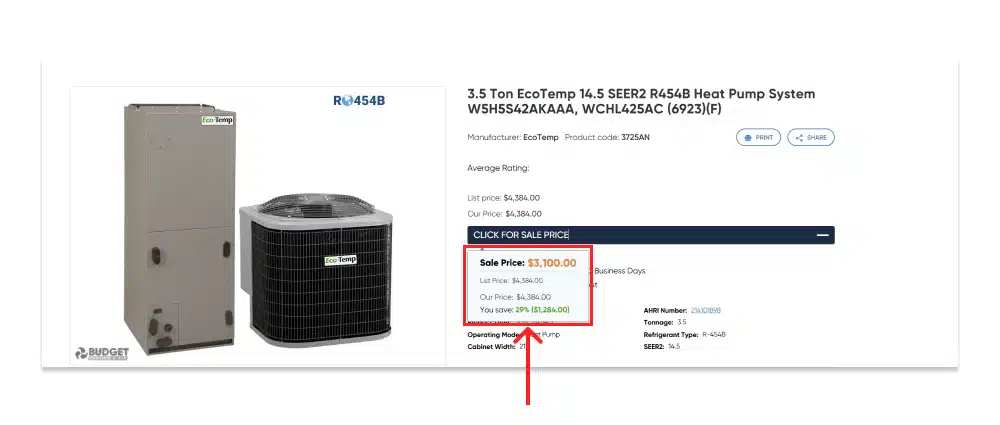 Budgetheating.com clear pricing
Show total costs as early as possible. Display shipping costs on product pages or immediately when someone adds an item to cart. Provide tax estimates before checkout begins. Surprise fees at the last step destroy trust instantly. A customer who sees a $50 product turn into $68 at checkout feels tricked, even if the additional costs are legitimate. Be upfront about what things cost and you’ll lose fewer sales to sticker shock.
Honest Product Information
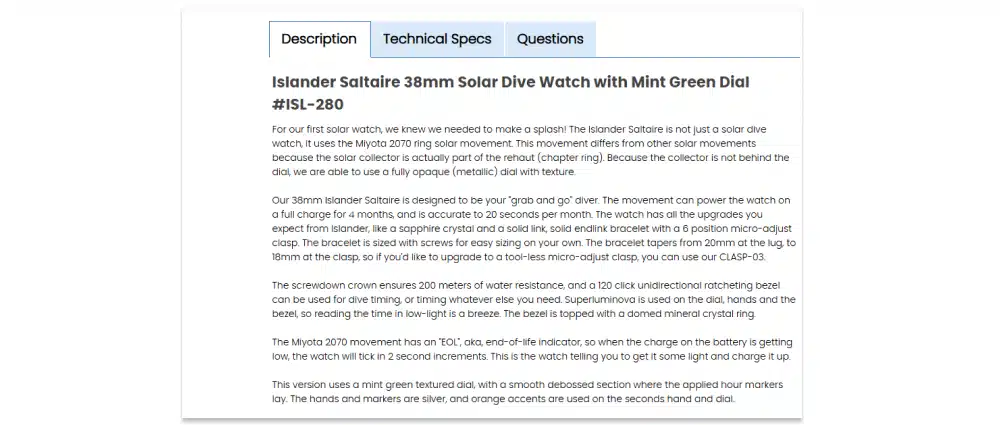 Longislandwatch.com honest product information
Write accurate product descriptions and specifications. Use real product photos, not just stock images from manufacturers. If you’re selling clothing, provide detailed sizing charts with measurements. If you’re selling electronics, list exactly what’s included in the box and what’s sold separately. Customers who receive exactly what they expected are far more likely to trust you for future purchases. Overselling or vague descriptions lead to returns and negative reviews.
Return and Refund Policies
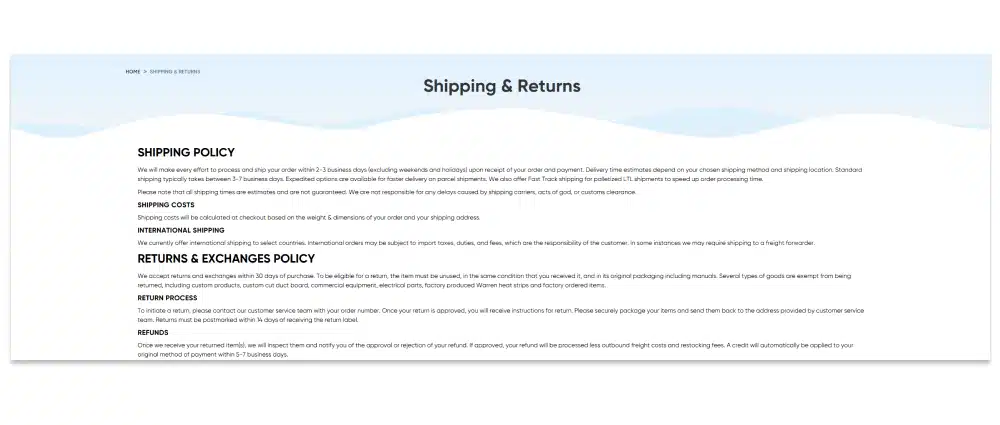 budgetheating.com return and refund policy
Make your return policy easy to find and simple to understand. Link to it from product pages and checkout. Explain the process clearly: how many days they have to return, whether return shipping is free, how refunds are processed. Avoid hidden conditions buried in fine print. Reasonable timeframes and straightforward processes show customers you stand behind what you sell. A good return policy actually increases sales because it reduces purchase risk.
Social Proof That Actually Works
Real Customer Reviews
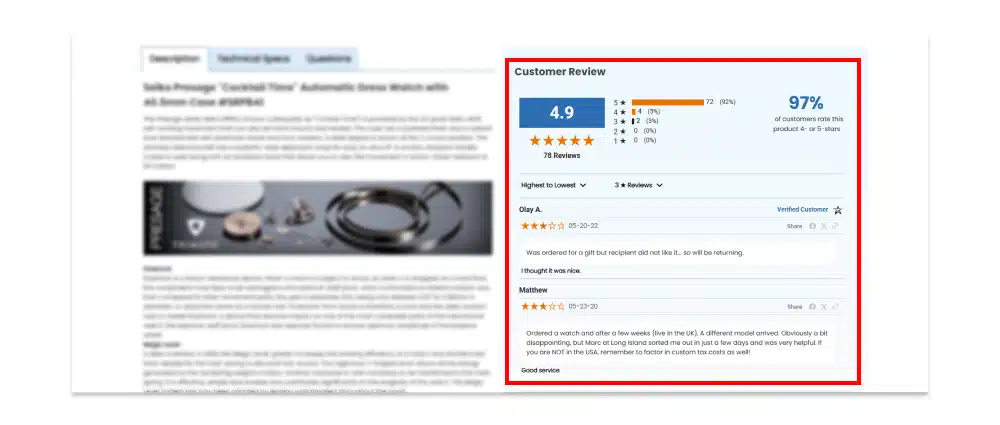 Longislandwatch.com real customer reviews
Display both positive and negative reviews. A page full of perfect five-star customer reviews looks suspicious. Real stores have complaints and criticism mixed in with praise. Respond to negative reviews professionally and publicly. When potential customers see you addressing problems and fixing issues, it builds more trust than perfect reviews ever could. Use verified purchase badges so shoppers know reviews come from actual buyers, not fake accounts. Keep reviews current. A product with 500 reviews from 2022 but nothing recent makes customers wonder if the quality dropped or if the business is even active anymore.
Customer Photos and Videos
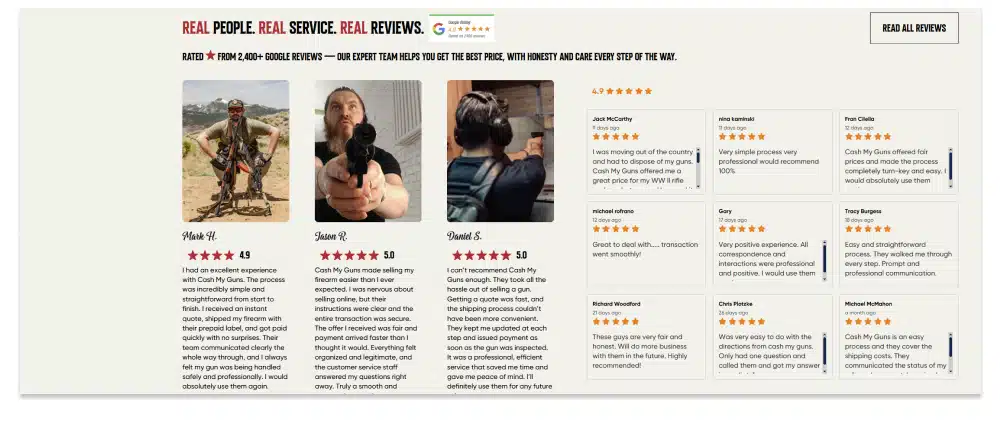 Example of customer photos
User-generated content proves your products work in real life. Customer photos showing actual people using your products are far more trustworthy than professional studio shots. Encourage buyers to share photos and videos through post-purchase emails or by offering small incentives like discount codes. Feature this content prominently on product pages. Shoppers want to see what they’re actually getting, not an idealized version.
Trust Badges and Certifications
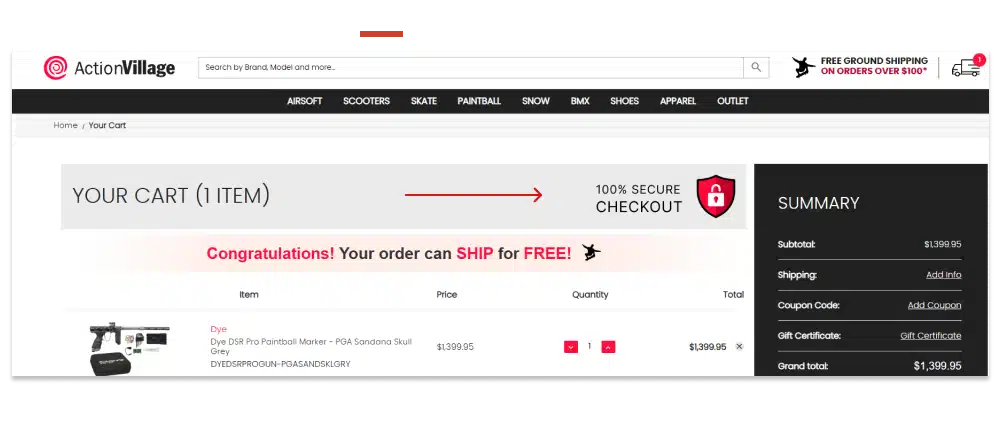 ActionVillage trust badge at checkout
Display legitimate payment security icons, industry certifications, and secure checkout symbols. Show badges from recognized payment processors like Visa, Mastercard, PayPal, or Stripe. If you have relevant industry certifications (organic, fair trade, safety standards), display those prominently. But only use badges you’ve actually earned. Fake trust badges are easy to spot and destroy credibility instantly. Meaningless badges that don’t link to verification pages make customers suspicious. If you can’t prove the certification is real, don’t display it.
Security Signals Customers Notice
The padlock icon in the browser address bar tells customers your site is secure. This comes from an SSL certificate, which encrypts data between their browser and your server. It’s a basic requirement now, not an optional feature. Customers notice when it’s missing.
Use recognized payment processors like Stripe, PayPal, or Square. These companies handle the actual payment processing securely so you’re not storing credit card information directly. Customers trust these names and feel safer entering payment details when they see familiar logos.
Display a privacy policy that explains in plain language what information you collect and how you use it. Avoid legal jargon. Customers want to know if you’re selling their email to third parties or keeping their data private.
Don’t ask for information you don’t need. If you only need name, email, and shipping address, don’t ask for phone numbers or birthdates. The less data you request, the more comfortable customers feel completing checkout. Every unnecessary field creates friction and raises questions about why you need that information.
Common Trust-Killers to Avoid
Fake reviews or testimonials destroy credibility the moment customers realize they’re fabricated. Hidden fees that suddenly appear at checkout make shoppers feel tricked and they’ll leave immediately. A poor mobile experience signals you don’t care about most of your traffic. Broken checkout processes or payment errors make customers question if their transaction will go through safely.
Slow customer service responses or no response at all tells shoppers you won’t be there if something goes wrong. Overpromising in product descriptions and underdelivering when the package arrives guarantees negative reviews and returns. Pushy sales tactics like aggressive popups that won’t close or countdown timers on every page feel manipulative. Using stock photos and presenting them as real customers is dishonest and customers can usually tell.
These mistakes don’t just cost individual sales. They damage your reputation long-term and make it harder to build trust with future customers.
How to Measure Trust
Track your return customer rate. If people come back and buy again, they trust you. Monitor review trends over time. Are ratings improving or declining? Watch your cart abandonment rate. High abandonment often signals trust issues at checkout.
Pay attention to customer service inquiry types. Repetitive questions about legitimacy, security, or return policies indicate trust gaps. Measure time from first visit to purchase. Customers who trust you immediately convert faster. Track refund and chargeback rates. High numbers suggest customers don’t feel confident in what they’re receiving.
Build Trust, Build Your Business
Trust isn’t built with one feature or quick fix. It’s earned through consistent, honest actions across every interaction customers have with your store. Start with transparency in pricing and policies. Add real customer reviews and photos. Make your site secure and your support accessible. Every touchpoint either builds trust or erodes it.
If you’re not sure where your store is losing customer confidence, MAK Digital can help. We audit eCommerce sites specifically for trust signals and identify gaps that are costing you sales. Let’s talk. We’ll show you exactly what’s working, what’s broken, and how to fix it.