

 1-888-553-8776
 Eashan Mehta
Your online store didn’t suddenly stop working. It slowly fell behind.
What drove sales a few years ago doesn’t cut it anymore. Customer expectations are higher. Technology moves faster. And competitors are upgrading whether you are or not. If your store feels dated, clunky, or slow, it’s quietly costing you revenue every single day in 2026.
Future-proofing your ecommerce store in 2026 isn’t about chasing trends or rebuilding everything from scratch. It’s about making smart, flexible improvements so your site can adapt, scale, and sell no matter what changes next.
Speed Is a Revenue Issue
Site speed directly impacts sales. Shoppers don’t wait. If pages take more than a few seconds to load, they leave. No warning. No second chance.
Search engines feel the same way. Slow sites sink in rankings, which means fewer people ever see your products. Speed is no longer a technical detail in 2026. It’s a business requirement.
Run your store through Google PageSpeed Insights. Compress oversized images. Remove plugins you’re no longer using. Upgrade outdated hosting. Small improvements here often produce immediate results.
Mobile Shopping Comes First

Mobile ecommerce is the default in 2026. Most customers will see your store for the first time on their phone. If that experience feels cramped, confusing, or slow, they won’t come back.
A future-ready store is built mobile-first. Large buttons. Readable text. Simple navigation. A checkout that doesn’t feel like work.
Take out your phone and try to buy something from your own store. If anything feels frustrating, that’s where sales are being lost. Fixing mobile usability is one of the fastest ways to improve conversion rates.
Payment Options That Build Trust
Checkout is where future-proofing either pays off or falls apart.
Customers expect choice. Credit cards alone aren’t enough in 2026. PayPal, Apple Pay, Google Pay, and other digital wallets reduce friction and increase completed purchases.
Buy now, pay later options can also increase average order value when used strategically. The key is simplicity. Fewer fields. Clear security signals. No distractions at the moment of purchase.
Your Ecommerce Platform Can Hold You Back
Outdated ecommerce platforms create hidden limits. Slower performance. Fewer integrations. Security risks. Poor mobile behavior.
If your platform hasn’t meaningfully evolved in the past year, it’s already falling behind current ecommerce demands. Modern ecommerce in 2026 requires flexibility, automation, and seamless integrations.
Planning a platform migration before problems force your hand gives you control. Waiting until something breaks turns it into a fire drill.
UX That Matches Modern Expectations
Today’s shoppers expect more than products and prices.
User experience drives trust. Clear navigation. Clean layouts. Strong calls to action. Personalization that feels helpful, not creepy.
Product recommendations, saved wish lists, quizzes, and real-time support all remove friction. Augmented reality and visual previews help customers feel confident buying higher-ticket items.
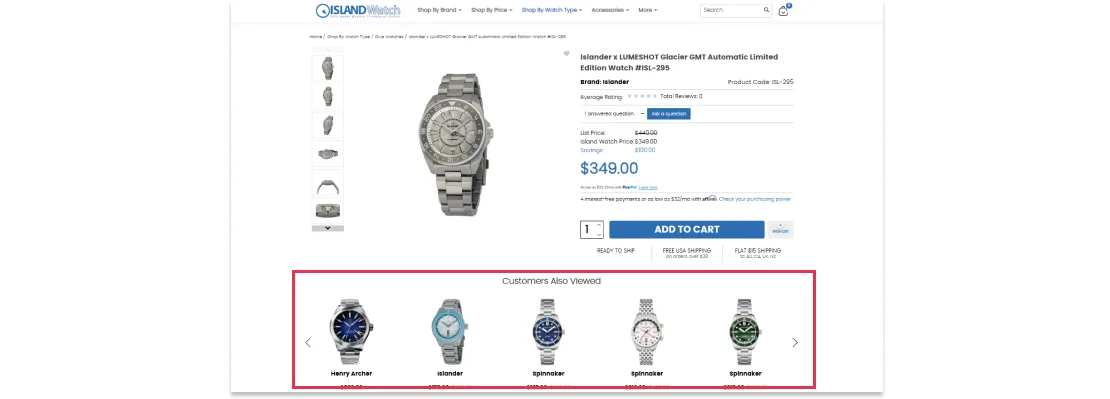
Future-proof ecommerce UX in 2026 focuses on clarity, speed, and momentum.
Accessibility Is Part of Growth
Accessible ecommerce sites reach more customers. Period.
Screen-reader compatibility, keyboard navigation, proper contrast, and readable fonts help everyone shop more easily. They also protect your business from legal risk and improve overall usability.
Accessibility expectations continue to rise in 2026, making this a growth requirement, not a nice-to-have.
Values Influence Buying Decisions
Shoppers pay attention to who they’re buying from.
Sustainability and transparency matter. Ethical sourcing. Responsible packaging. Local giving. Even small efforts create meaningful differentiation.
In 2026, customers support brands that align with their values. Make sure yours are visible.
Social Commerce Is No Longer Optional
Social platforms are becoming storefronts. Instagram, Facebook, and TikTok now drive direct sales, not just traffic.
Shoppable posts, product tags, and in-app checkout remove friction and shorten the buying journey.
Future-proof ecommerce in 2026 meets customers where they already spend their time.
Make Your Store Ready for What’s Next
Your ecommerce site works around the clock. It should be growing your business, not quietly holding it back.
Future-proofing your online store in 2026 means staying flexible, fast, and aligned with how customers actually shop today.
If you want a clear plan for strengthening your store this year, MAKDigital Design can help. Start with a professional ecommerce audit and uncover your biggest growth opportunities.