
 1-888-553-8776
 Eashan Mehta
Starting an ecommerce store feels easier than ever until you actually sit down to do it. Suddenly you’re picking products, choosing platforms, building a site, figuring out fulfillment, and trying to get your first sale. This process is not complicated, but it certainly involves many moving parts.
The good news? Launching in 2026 is predictable once you follow a blueprint. This guide walks through exactly what to do, in order, so you’re not guessing your way through decisions that actually matter.
What an Ecommerce Business Really Is in 2026
An ecommerce business is a digital storefront that sells something people want. It depends on trust, convenience, and speed. You’re competing with Amazon’s two-day shipping, TikTok Shop’s impulse buys, and Instagram Checkout’s frictionless experience.
The 2026 reality is different from five years ago. First, ad costs are higher. Furthermore, social commerce is everywhere. Consequently, customers expect transparency about ingredients, sourcing, and shipping timelines before they buy. TikTok Shop and Instagram Checkout have changed how people discover and purchase products, often without ever visiting your website.
Small brands win when they communicate well and deliver fast. You don’t need a massive budget. Instead, you need clarity, a product people actually want, and a site that doesn’t frustrate them.
Step 1: Pick a Product Worth Selling

Product research isn’t about finding the next viral sensation. It’s about finding something people are actively buying and serving them better than the competition.
You should look at niche fitness gear, sustainable refills, pet enrichment toys, or clean beauty. These aren’t random examples. Instead, they represent categories where demand exists, customers are willing to pay, and there’s room for new brands that communicate clearly.
Here’s how to validate whether a product is worth selling:
- Check TikTok comments and trending sounds. If people are asking “where can I buy this?” under videos, there’s demand. If creators are using a product in their content repeatedly, it’s working.
- Read Amazon review gaps. Find the top three products in your category and read one-star reviews. What are people complaining about? Cheap materials? Confusing instructions? Slow shipping? Those complaints are product opportunities.
- Use Google Trends to check search demand. If nobody’s searching for it, you’ll spend all your money creating demand instead of serving existing demand.
- Run a 24-hour landing page test. Build a simple page explaining the product with a “notify me” button. Run $50 in paid ads to it. If people sign up, there’s interest. If they don’t, move on.
Don’t pick a product based on what you love. Rather, pick based on what people are actively buying and what problems they’re trying to solve.
Step 2: Study Your Competition Like a Customer
Buy from your top three competitors. Track your entire experience from the moment you land on their site to when the product arrives at your door.
Note everything. Observe the website speed, checkout flow, packaging quality, follow-up emails, and return policy clarity. How long did shipping take? Did the product match expectations? Was the unboxing experience thoughtful or forgettable?
Study their reviews. What do customers love? What do they complain about? Check their social presence. How do they communicate? What tone do they use? How often do they post?
Ultimately, this entire process reveals your brand angle and competitive edge. You’re not copying; you’re learning what works and what doesn’t so you can do it better.
Step 3: Build a Brand That Feels Trustworthy
Your brand doesn’t need to be fancy. Instead, it needs to feel trustworthy.
First, pick a simple name people can say out loud and spell easily. Get a clean logo. It doesn’t need to cost thousands. Your domain name should match your brand name. Additionally, use real product photos, not stock images. Finally, put your shipping and return policies upfront where people can see them before they buy.
Fast loading pages matter because customers leave slow sites. Simple beats fancy when you’re starting. Trust signals matter more than visual complexity. Consistent tone across all communication—website, emails, social—builds credibility faster than expensive design.
Step 4: Choose Your Ecommerce Platform
The eCommerce platform you pick determines how fast you can launch and how easily you can scale.
Shopify
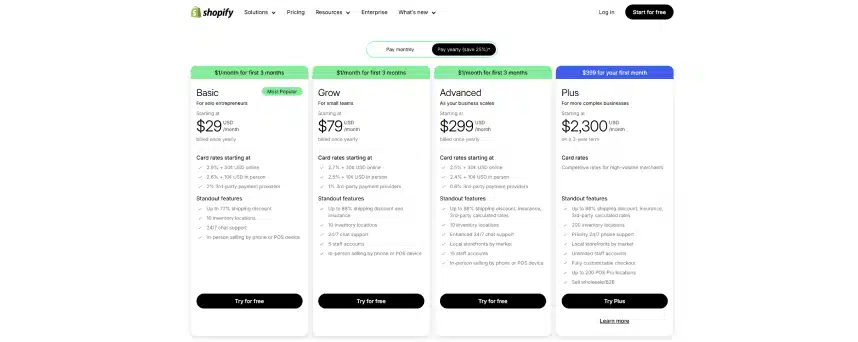
This platform is best for most new sellers due to fast setup, a clean checkout, and a massive app ecosystem. It works great for beauty, apparel, lifestyle, home goods, and subscriptions. Shop Pay makes checkout frictionless. Furthermore, it offers easy integrations with TikTok Shop, Instagram, Meta ads, and Klaviyo. If you’re not sure which platform to choose, start here.
BigCommerce
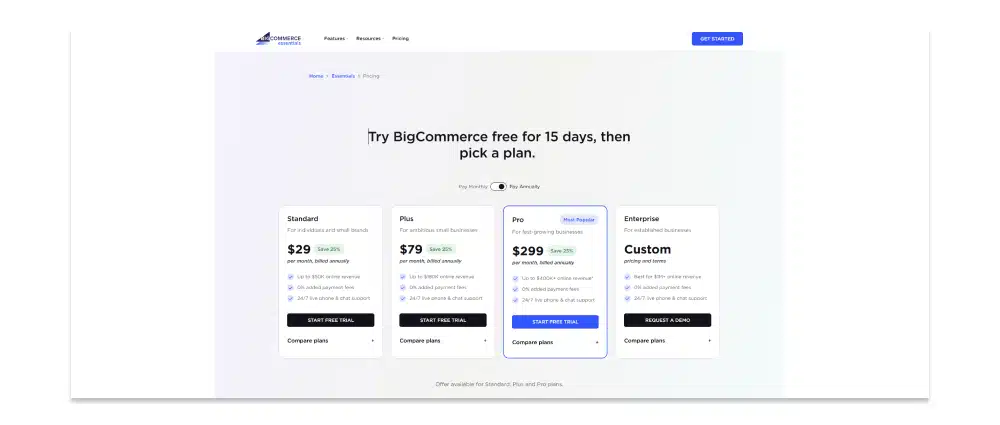
BigCommerce is ideal for large catalogs or B2B operations. Strong native features mean you’re less reliant on apps. Moreover, it’s great for products with lots of variants or complex pricing structures. This platform is better for brands planning to scale quickly without hitting Shopify’s transaction limits.
WooCommerce
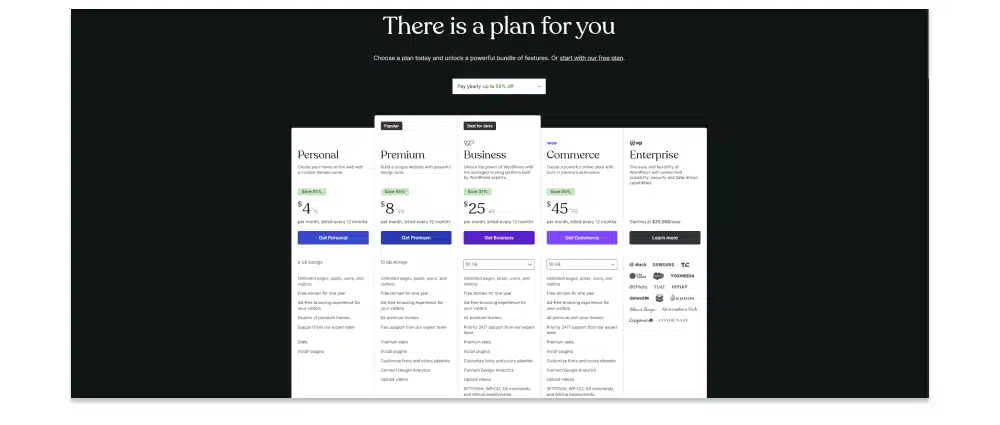
WooCommerce is for WordPress users who want total control. It’s good for content-heavy brands that rely on blogs, guides, and resources to drive organic traffic. Conversely, it requires more technical knowledge. Security and updates are your responsibility, not the platform’s.
When to Consider Headless
Headless is for mid-size brands wanting custom user experiences. It offers blazing fast performance and unique designs. However, it is not for beginners and requires dedicated development resources. Examples include Shopify plus Hydrogen or BigCommerce headless setups.
Pick the platform that lets you move fast today with room to grow tomorrow. Most new stores should start with Shopify or BigCommerce.
Step 5: Pick Your Fulfillment Method
How you fulfill orders affects speed, cost, and customer satisfaction.
- Dropshipping is a low-risk way to test products. You don’t hold inventory, but you have higher per-unit costs and less control over shipping speed. It works for testing, not for building a long-term brand.
- Micro-inventory means small production runs from manufacturers. This gives you more control over quality and shipping with a moderate upfront investment. This works if you’re confident in demand but don’t want to sit on $10,000 worth of inventory.
- 3PL fulfillment centers are for scaling. They store and ship your products, and fees vary by volume. This is good when you’re doing consistent sales and want to focus on growth instead of packing boxes.
Consider shipping speed expectations, as customers want fast delivery. You should factor in return logistics from day one. Set simple metrics to track: orders fulfilled on time, return rate, and customer satisfaction.
Step 6: Launch With Intention
Launching an ecommerce store without a plan usually leads to wasted time and scattered effort. Intentional launches perform better because every action supports a clear goal. Your first 90 days should be mapped out before you ever hit publish.
Think of launch as a short-term growth sprint, not a single day. You’re testing messaging, gathering data, and learning how real customers respond to your product.
Start with traffic you can control.
- TikTok: Use short-form video to demonstrate the product, explain why it exists, and show how it fits into daily life. Focus on clarity over polish. One product. One problem. One outcome. Consistency matters more than follower count. Brands win here by showing, not selling.
- Email: Set up a simple welcome sequence before launch using Klaviyo or a similar tool. Collect emails as early as possible, even if visitors aren’t ready to buy. Email gives you a second chance to convert people who weren’t ready on their first visit. That list becomes one of your most valuable assets.
- Paid ads: Use a modest daily budget on Meta to test creator-style video content. The goal early on isn’t profitability. It’s insight. You’re learning which messages attract clicks, which audiences respond, and which products get attention. Let the data guide your next moves instead of assumptions.
When your launch has structure, every dollar and every post serves a purpose. That’s how new stores gain momentum instead of burning out in the first few weeks.
What Makes New Stores Actually Work
Google Keyword Planner is uniquely valuable for local keyword research because it shows search volumes filtered by specific locations. Here’s how to use it effectively:
Don’t Chase Profit in Year One
You’re building skills, finding your audience, and creating repeat customers. Most successful stores aren’t profitable in their first 6-12 months. That’s normal.
Know Exactly Who You’re Selling To
Create a real customer persona, not vague demographics. Example: the woman buying clean skincare cares about ingredient transparency and minimalist packaging, not discounts and promotions. Speak to her specifically.
Sell What People Already Want
Don’t try to create demand from scratch. Find existing demand and serve it better than competitors. Markets that consistently work: health and wellness, pet products, sustainable alternatives, organization solutions.
Test Relentlessly
Test organic videos, ad creative, product bundles, page layouts, email subject lines, and offer structures. Small tests reveal what works before you invest heavily.
Build Authority Early
Get your brand mentioned in blogs, gift guides, podcasts, and niche communities. Reach out to micro-influencers and relevant publications. Backlinks help with Google visibility. Authority compounds over time.
Focus on Repeat Customers
Acquiring new customers is expensive. Retention is where profitability lives. Build email flows that keep customers engaged after their first purchase.
Common Mistakes to Avoid
First, launching with too many products dilutes your focus, so start with three to five focused items. Ignoring mobile experience costs you sales since most traffic is mobile. Additionally, having no clear brand story or messaging makes you forgettable. Copying competitors exactly instead of finding your angle means you’re just adding noise. Spending on ads before organic content is working wastes money. Furthermore, not collecting email addresses from day one leaves future revenue on the table. Overcomplicating the checkout process kills conversions. Poor quality product photos make people bounce. Finally, no follow-up after the first purchase means you’re constantly chasing new customers instead of building loyalty.
Ready to Launch Your Store?
Building an eCommerce store in 2026 and need expert guidance on platform selection, site strategy, or conversion optimization? MAK Digital helps new store owners make smart decisions from the start. Reach out and we’ll show you what to prioritize first.