

 1-888-553-8776
 Eashan Mehta
Email marketing remains one of the most reliable growth channels for small businesses. While social platforms and ad algorithms constantly change, email gives you a direct line to your audience. No gatekeepers. No guesswork. Just consistent communication with customers who already trust your brand.
In 2026, choosing the right email marketing platform matters more than ever. Automation is smarter, personalization is expected, and customers notice when messages feel generic. This guide breaks down the top Email Marketing platforms small businesses use today, what each one does best, and how to choose the right fit for your goals.
What Small Businesses Should Look for in an Email Platform
The best platform isn’t always the biggest name or the cheapest option. For small teams, usability matters. You want a clean dashboard, intuitive editors, and templates that look professional without design experience.
Email automation is also essential. Welcome emails, abandoned cart reminders, post-purchase follow-ups, and re-engagement campaigns should run automatically once they’re set up. The less manual work required, the more consistent your results.
Finally, integrations matter. Your email platform should connect easily with your ecommerce store, CRM, or website so you can segment customers by behavior, purchases, and engagement—not just email lists.
Mailchimp: A Simple Starting Point
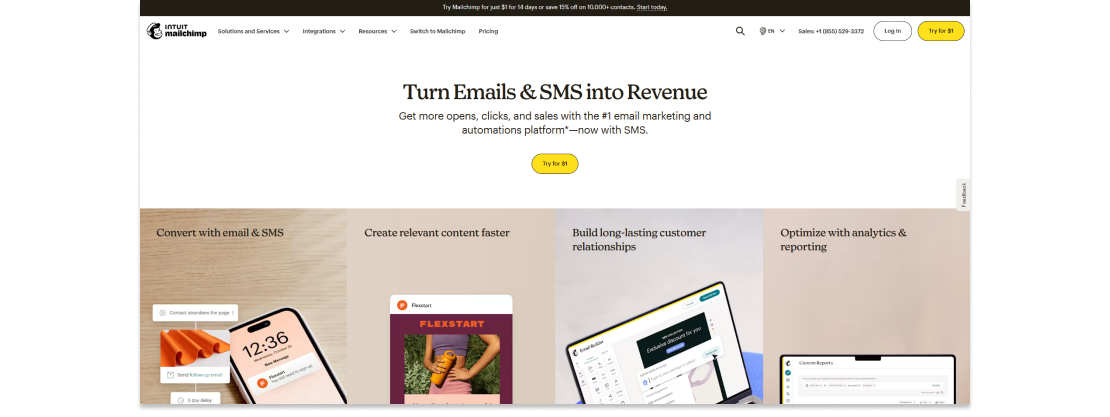
Mailchimp remains a popular choice for beginners. Its drag-and-drop editor, prebuilt templates, and familiar interface make it easy to launch campaigns quickly. For small businesses just getting started with newsletters or basic automations, it lowers the learning curve.
Mailchimp works well for simple campaigns like announcements, promotions, and welcome emails. It integrates with most major website platforms and offers basic reporting on opens and clicks.
That said, as your business grows, you may find limitations around advanced segmentation and deeper automation. Mailchimp is best viewed as a starting point rather than a long-term growth engine.
Klaviyo: Built for Ecommerce Performance
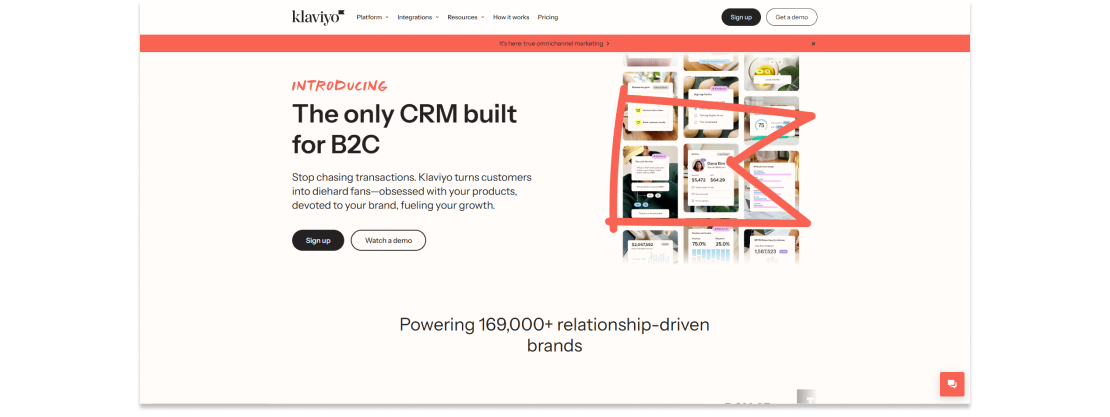
Klaviyo is designed specifically for ecommerce brands that want email to drive revenue, not just engagement. It connects directly to platforms like Shopify, BigCommerce, and WooCommerce, pulling in real-time customer and order data.
This allows you to create powerful segments and automations based on actual behavior—such as browsing history, past purchases, and cart activity. Flows like abandoned cart recovery, post-purchase education, and win-back campaigns are where Klaviyo shines.
While pricing increases as your list grows, many brands find the return worth it. For ecommerce-focused businesses in 2026, Klaviyo remains one of the strongest options available.
Omnisend: Email and SMS Working Together
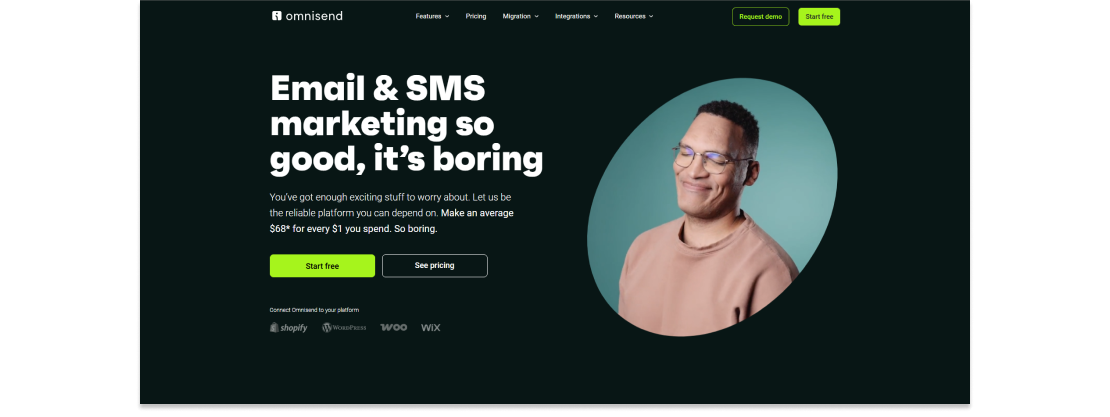
Omnisend offers a balanced approach for ecommerce brands that want both email and SMS marketing under one roof. The platform provides prebuilt workflows for common campaigns like welcome series, cart abandonment, and product recommendations.
The interface is approachable, even for small teams without a dedicated marketer. Automations are easy to customize, and the platform integrates smoothly with major ecommerce systems.
Omnisend is a strong option for businesses that want omnichannel reach without enterprise-level complexity or pricing.
Constant Contact: Reliable and Straightforward
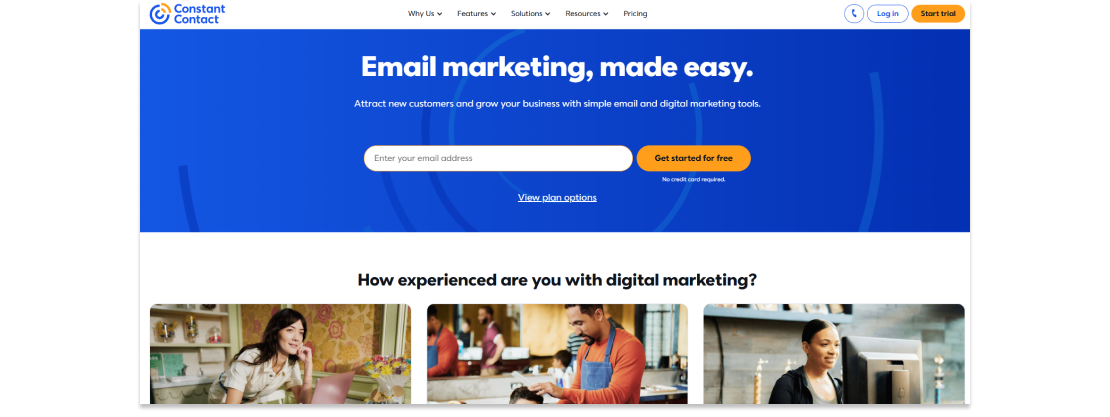
Constant Contact continues to appeal to small businesses that value simplicity. It’s especially popular with local businesses, service providers, and event-based brands.
The platform focuses on easy campaign creation, list management, and dependable deliverability. While its automation tools are more limited compared to ecommerce-focused Email Marketing platforms, it covers the essentials well.
If your email strategy centers on announcements, newsletters, and community engagement rather than complex funnels, Constant Contact is a dependable choice.
Brevo: Affordable Automation with Multi-Channel Reach
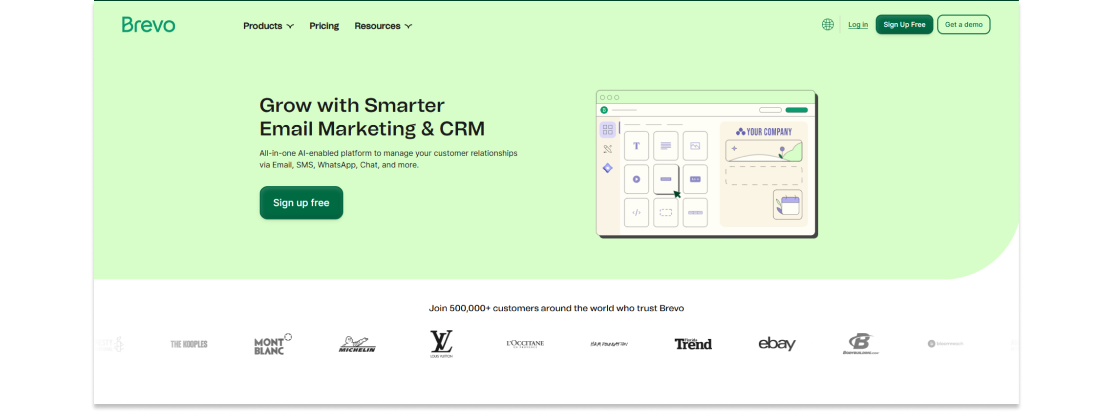
Brevo (formerly Sendinblue) offers a flexible, budget-friendly approach to email marketing. Unlike many Email Marketing platforms, pricing is based on emails sent rather than contact count, which can be helpful for businesses with larger lists.
Brevo includes email automation, SMS, and messaging tools in one platform. Its workflows are easy to build, making it accessible for small teams that want more than basic newsletters.
For businesses looking to expand beyond email without a major cost jump, Brevo is a practical option in 2026.
ActiveCampaign: Advanced Automation for Scaling Teams
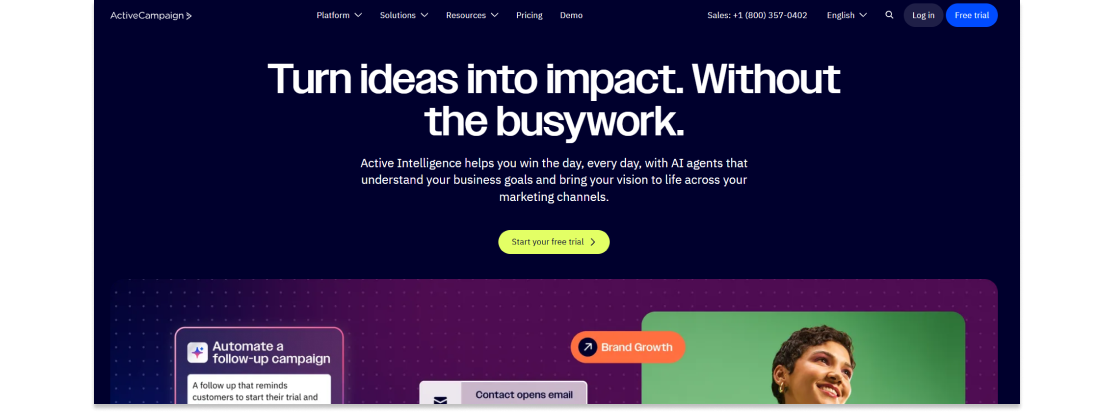
ActiveCampaign is built for businesses that want deeper automation and customer journey control. It combines email marketing with CRM features, allowing teams to track leads and behavior across multiple touchpoints.
The platform excels at complex workflows and conditional logic, making it ideal for brands with defined marketing strategies and longer sales cycles.
There is a learning curve, but for growing businesses that want precise targeting and advanced automation, ActiveCampaign offers serious flexibility.
Ryzeo: A Modern Platform Focused on Smart Growth
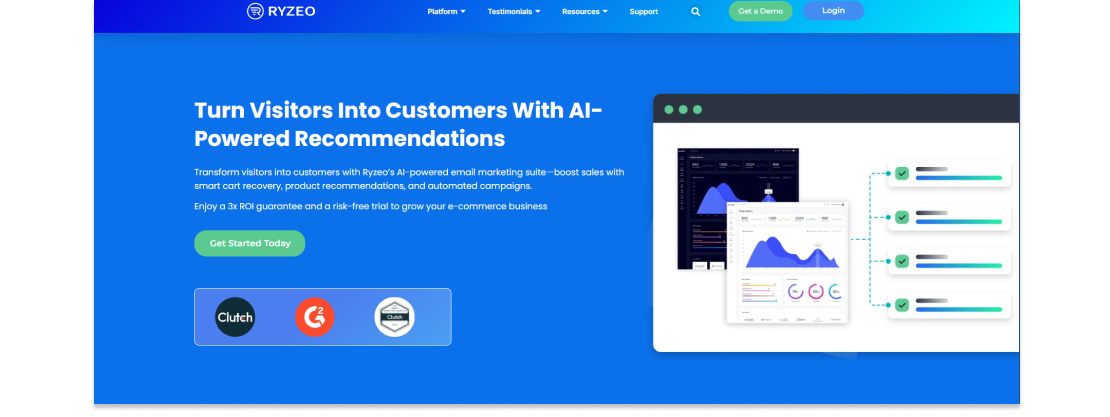
Ryzeo is a newer platform built with modern ecommerce needs in mind. It focuses on data-driven automation, real-time analytics, and personalized campaigns that scale efficiently.
Features like dynamic product recommendations, advanced segmentation, and intelligent cart recovery allow brands to send fewer emails while achieving stronger results.
When paired with strategic guidance, Ryzeo offers small and mid-sized ecommerce brands a powerful alternative to legacy platforms—especially for businesses focused on performance, not just volume.
How to Choose the Right Platform in 2026
The best email marketing platform is the one that aligns with your business goals and team capacity. If you’re just starting, simplicity and ease of use matter most. If ecommerce revenue is your priority, automation and data integration should lead the decision.
Look for platforms that offer free trials or starter plans so you can test workflows, reporting, and usability. Long-term success comes from consistency, not complexity.
Final Thoughts
Email marketing continues to deliver one of the highest returns for small businesses in 2026. The tools are more powerful than ever, but success still comes down to choosing a platform you’ll actually use.
Whether you prioritize simplicity, automation, ecommerce performance, or budget flexibility, the right platform will help you build stronger customer relationships and turn email into a reliable growth channel.