

 1-888-553-8776
 Eashan Mehta
A shopper browses your site, compares products, adds items to their cart, and moves toward checkout. Everything looks good. Then they disappear. No purchase. No follow-up. Just another abandoned cart.
This happens every day across ecommerce. The average cart abandonment rate still hovers around 70 percent, meaning most shoppers who show buying intent never complete their order. Many brands respond by offering discounts, but that approach quietly eats into margins. In 2026, the smarter move is fixing what causes shoppers to leave in the first place. Most abandonment isn’t about price. It’s about friction, uncertainty, or lack of trust.
The Hidden Revenue Loss Behind Cart Abandonment
Every abandoned cart represents wasted effort. You paid for the traffic. You invested in content, ads, and product pages. When shoppers leave at checkout, that entire funnel collapses right at the finish line.
Over time, persistent abandonment also drags down your conversion rate. Marketing becomes harder to scale because more traffic is required just to maintain the same revenue. Fixing checkout friction is often the fastest way to unlock growth without increasing ad spend.
If 100 shoppers add items to their cart and 70 leave, recovering even a fraction of those buyers has a direct impact on revenue. Small improvements compound quickly.
Make Checkout Faster Than Shoppers Expect

Speed is non-negotiable. Shoppers abandon checkout when pages feel slow or unresponsive. On mobile especially, delays of just a few seconds create doubt and frustration.
Common causes include oversized images, bloated scripts, unnecessary plugins, and underpowered hosting. Each one adds friction during the most critical moment of the buying journey.
Optimizing images, removing unused tools, upgrading hosting, and simplifying checkout into a one-page flow can dramatically reduce abandonment. Faster checkout doesn’t just feel better. It converts better.
Remove Forced Account Creation
Nothing kills momentum faster than forcing shoppers to register before they can pay. Many customers simply want to buy and move on.
Guest checkout removes that barrier entirely. Shoppers complete their purchase in seconds, and you can still invite them to create an account afterward. This single change often recovers a surprising number of lost orders.
Be Upfront About Shipping and Fees
Unexpected costs are the leading reason shoppers abandon carts. Seeing extra shipping or fees appear at the final step feels like a bait and switch, even when the price is reasonable.
Transparency matters more than being cheap. Show shipping costs early. Highlight free-shipping thresholds clearly. Set expectations around delivery times before checkout begins. When shoppers know what to expect, they’re far more likely to complete the purchase.
Design Checkout for Mobile First
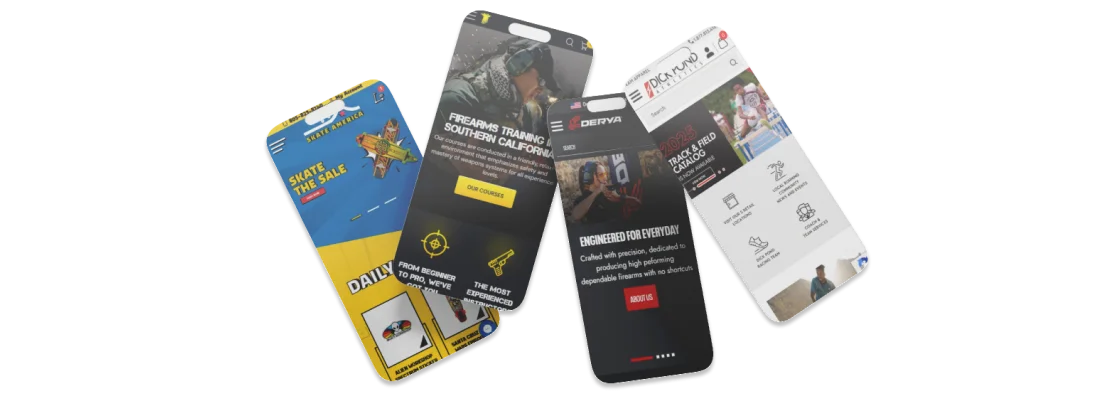
Most ecommerce traffic now comes from phones. If your checkout is still designed with desktop assumptions, you are losing sales daily.
Mobile optimization means large tap targets, clean layouts, autofill-friendly forms, and fast payment options like Apple Pay, Google Pay, and Shop Pay. When checkout feels effortless on mobile, abandonment drops naturally.
If ordering from your phone feels frustrating, shoppers won’t push through. They’ll close the tab.
Shorten and Simplify Checkout Forms
Checkout should feel quick and focused. Ask only for what is required to complete the order. Long forms create hesitation and fatigue.
Reducing form fields, enabling autofill, and adding a clear progress indicator all help shoppers move forward with confidence. The fewer obstacles between cart and confirmation, the better.
Reinforce Trust at the Point of Payment
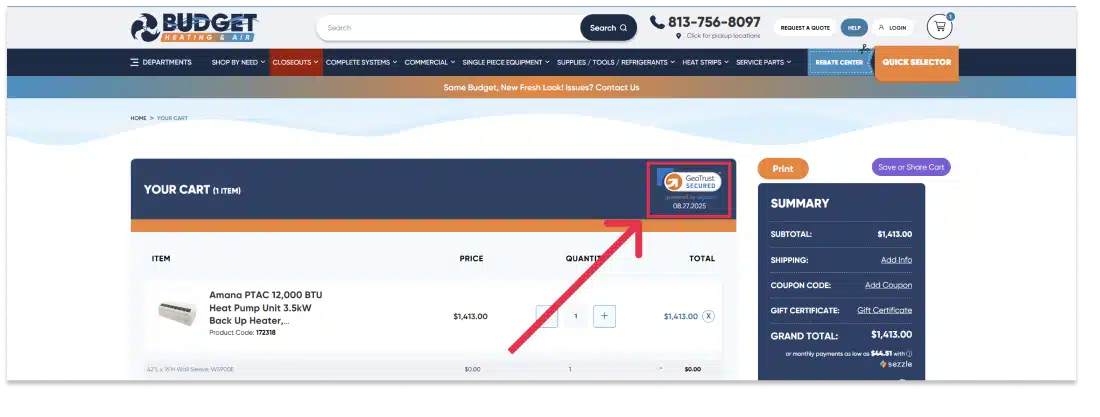
Example of a secure ecommerce checkout experience
Shoppers hesitate when they’re unsure about checkout security. This is especially true for smaller brands without widespread recognition.
Clear trust signals make a difference. SSL certificates, recognizable payment icons, visible contact information, reviews, and a clear return policy all reassure customers at the moment they’re asked to enter payment details.
Trust reduces hesitation. Hesitation leads to abandonment.
Use Smart Reminders Instead of Discounts
Abandoned cart recovery does not require coupon codes. Thoughtful reminders often work just as well.
Email or SMS reminders that show the abandoned product, reinforce its value, and link directly back to checkout can recover sales without sacrificing margin. Retargeting ads and social reminders can also bring shoppers back while your brand stays top of mind.
Focus on reassurance and value, not urgency through discounts.
Checkout Optimization Is Revenue Optimization
Checkout is not just a technical step. It is where revenue is either secured or lost. A slow, confusing, or untrustworthy checkout quietly drains profit.
The most effective checkouts share the same traits: speed, clarity, trust, and mobile-first design. In 2026, improving checkout experience is one of the highest-impact optimizations an ecommerce brand can make.
Closing Thought
Cart abandonment will never disappear entirely. But reducing it doesn’t require discounts or giveaways.
Review your checkout as a customer. Notice where hesitation creeps in. Fix those moments, and you’ll recover revenue that was already within reach.
That’s how you reduce cart abandonment in 2026—by removing friction, not margin.